Do you know how to put on an ASO ankle brace? Ankle injuries are among the most common orthopedic injuries and often cause pain and limited mobility.
Fortunately, many products can support and protect injured ankles, including the ASO ankle brace.
Whether you are an athlete recovering from a sprain or seeking extra support for weak ankles, mastering the correct method to put on an ASO ankle brace is essential for optimal support and recovery.
We will guide you through the step-by-step process of putting on an ASO ankle brace and provide helpful tips to ensure a comfortable, secure fit. With the proper technique and a little preparation, you can confidently wear your ASO ankle brace and return to your daily activities with reduced pain and improved stability.
Get ready to understand how to put on an ASO ankle brace correctly and take the first step toward a faster recovery.
ASO Ankle Brace
The Med Spec Ankle Stabilizer is a well-known ankle brace that provides support, stability, and protection for people with ankle injuries and those participating in impact sports. This review examines the advantages, features, and uses of this ASO as an ankle stabilizer.
Key Features
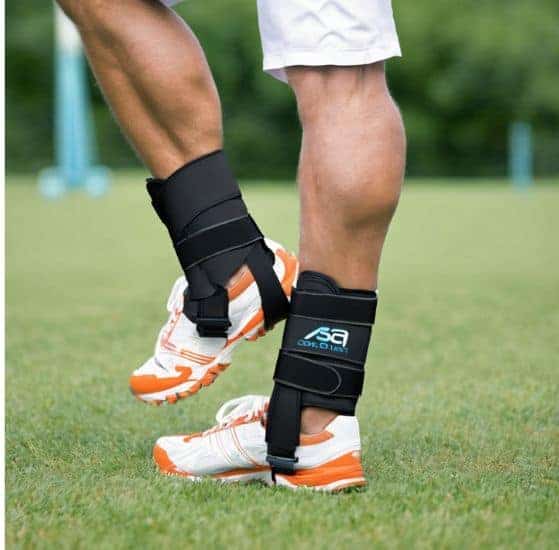
1. Stabilizing Straps: These straps are the ASO ankle stabilizer with stabilizer straps that create an entire figure-eight design for protection and support of the ankle.
The straps provide lateral ankle stability, helping prevent excessive pronation and supination. The straps also help prevent excessive pronation and supination.
2. CoolFlex Achilles Pad and Tongue: The CoolFlex material used for the Achilles tongue and pads offers excellent comfort and airflow, decreasing friction and irritation.
3. Elastic Cuff Closure: The closure for the elastic cuff improves the support provided by laces. It stabilizes the straps for a secure, comfortable fit. The elastic cuff closure is safe and comfortable.
4. Bilateral Design: This ASO ankle stabilizer has been specifically designed to accommodate the left and right foot and is a flexible choice for those with ankle injuries or participating in athletics.
5. Low Profile: The Low profile permits the ASO to fit comfortably into every type of shoe, making it appropriate for everyday wear and sporting activities. The ASO is an excellent shoe for these activities.
Benefits
1. Ankle Stability and Support: The ASO ankle stabilizer provides excellent support and stability to the ankle. This can help minimize injuries and the possibility of injury recurrence.
2. Comfort and Breathability: The CoolFlex fabric and the elastic closure for the cuff assure an incredibly snug and comfortable fit, which reduces friction and irritation.
3. Durability: The ballistic nylon shoe offers superior durability and strength, making this ASO ankle stabilizer an extremely long-lasting choice.
4. Easy Application: It is straightforward to use: ASO ankle stabilizers are very easy to use and come with a simple figure-eight strapping mechanism that is adjustable according to individual requirements.
Indications
1. Ankle Sprains
Ankle Sprains: An ASO is an ankle stabilizer widely used to treat ankle injuries, providing support and stability.
2. Ankle Instability
Ankle Instability: The ASO ankle stabilizer treats ankle instability. It provides stability and support to help avoid further injuries.
3. Athletic Use
ASO Ankle stabilizers are a favorite with athletes. It provides support and stability in high-impact sports such as soccer, football, and basketball.
The MedSpec ASO Ankle Stabilizer is an exceptionally effective and well-known ankle brace designed to provide support, stability, and safety for individuals with ankle injuries or those participating in high-impact sports.
The unique blend of features, including stabilizing straps, CoolFlex material, and elastic cuff closure, makes it an excellent choice for individuals who avoid or treat ankle injuries.
Accurate Sizing is essential for your confidence in the support provided by the ASO ankle brace. Taking precise measurements ensures you select the right size for maximum stability and comfort, helping you feel assured in your choice.
Accurate sizing is crucial when selecting the right ASO ankle brace for maximum support and comfort. To ensure a proper fit, take precise angle measurements.
Start by using a relaxed tape measure and wrapping it around the narrowest part of your ankle, just above the ankle bone.
Ensure the tape measure is snug enough. Note the height in inches or centimeters. Refer to the factory’s sizing chart to determine the appropriate size based on your ankle measurement.
Choosing the correct size based on precise measurements ensures your ASO ankle brace fits securely, provides maximum support, and reduces the risk of further injury during activity or daily use.
Accurate ankle measurement ensures your ASO ankle brace fits securely and supports your ankle throughout its full range of motion.
Measuring for ASO Ankle Brace
1. Measure ankle circumference
2. Measure heel to toe length
3. Determine shoe size
4. Follow size chart guidelines
5. Consider personal fit preference
6. Adjust straps for a secure fit
Positioning the brace correctly can make you feel more in control of your recovery. Loosen all straps, place your foot properly, and make sure the heel sits snugly to feel confident in your application.
To properly position the ASO ankle brace, loosen all straps and fully open the brace. Place your foot in the brace, ensuring the heel sits snugly against the back of the brace.
Then, wrap the brace around your ankle, ensuring that the stabilizing straps are centered over the lateral and medial malleoli (the bony prominences on the sides of your ankle).
Position the stirrup straps outside your ankles, and have the figure-eight straps crisscross over the top of your foot and around your ankles for added support. Adjust the straps to achieve a snug, secure fit, ensuring you can move your ankle comfortably without restriction.
Remember to fasten all the straps securely to prevent any slippage during activity. Properly positioning the ASO ankle brace enhances stability and supports your ankle, promoting a safe and effective recovery.
ASO Ankle Brace Positioning
1. Place the heel in the back cup
2. Secure straps
3. Adjust tension as needed
4. Ensure a proper snug fit
5. Check movement restrictions
6. Comfortable for the wearer
Securing the Straps Tightly
Once the ASO ankle brace is properly positioned on your foot and ankle, secure the straps tightly for optimal support and stability.
Start with the bottom stirrup strap and pull it firmly across the outside of your ankle for a snug fit without restricting circulation.
Next, pull the top stirrup strap tightly across the outside of your ankle, overlapping the bottom strap slightly.
Move on to the figure-eight straps, starting from the inside of your foot, crossing over the top of your foot, then wrapping around the outside of your ankle. Repeat this process on the other side to create a secure crisscross pattern.
Remember: While it is essential to secure the straps tightly, avoid over-tightening, as this can hinder blood circulation and cause discomfort. Properly fastened straps ensure the ASO ankle brace provides the support needed to protect and support recovery from ankle injuries.
Proper ASO Ankle Brace Application
1. Measure for the correct size
2. Align the heel cup correctly
3. Pull straps tightly
4. Check for proper fit
5. Adjust straps if needed
6. Secure laces on top of the brace
7. Ensure proper support and stability
Ensure the brace is positioned correctly on your foot and ankle, aligning the heel and arch with your own. This will help provide optimal stability during movement.
When fastening the straps, tighten them securely but not so tightly that they cause discomfort or restrict blood circulation. The straps should be snug enough to keep the brace in place while allowing comfortable movement.
Adjusting for Comfort and Fit
Prioritize comfort and fit when adjusting the ASO ankle brace. Start by checking how snug the brace feels around your foot and ankle. It should provide support without feeling restrictive.
Ensure the heel and arch of the brace align properly with your foot to optimize movement stability. Also, adjust the straps to achieve a secure yet comfortable fit.
Testing Range of Motion
To assess the effectiveness of the ASO ankle brace, test your range of motion while wearing it. Range of motion refers to the degree of movement your ankle can achieve in various directions.
With the ASO ankle brace on, gently move your ankle up and down, side to side, and in circular motions. Monitor any discomfort, stiffness, or limitations in your range of motion.
The brace should provide stability and support without restricting your natural range of motion. If you experience any restrictions or discomfort during these tests, adjust the brace’s fit or consult a medical specialist for further guidance.
Regularly testing your range of motion will help ensure the ASO ankle brace provides proper support and allows optimal mobility.
Proper Care and Maintenance Tips
Proper care and supervision are essential to ensure your ASO ankle brace lasts and works effectively.
After each use, clean the brace to remove any mud, sweat, or odors that may have accumulated. Use a mild detergent and lukewarm water to wash the brace, then rinse thoroughly.
Air-dry the brace, as excessive heat or direct sunlight can cause damage. Do not machine wash or dry the brace, as this can alter its shape and reduce its effectiveness.
Additionally, regularly inspect the brace for signs of wear and rips, such as fraying or loose stitching.
By following these care and maintenance tips, you can help ensure the longevity and effectiveness of your ASO ankle brace, allowing you to participate confidently in daily and physical activities while reducing the risk of ankle injuries.
Seeking Medical Advice If Needed
If you experience persistent pain, swelling, or any other concerning symptoms while wearing an ASO ankle brace, seek medical advice promptly. While the brace provides support and stability, it does not replace professional medical evaluation and treatment.
A healthcare specialist can assess your condition, conduct necessary tests, and offer personalized recommendations. They can also determine whether additional treatment options, such as physical therapy or medication, are needed to support your recovery.
Always prioritize your health and consult a medical professional if you have any doubts or concerns about your ankle condition.
By using an ankle brace correctly, you can confidently engage in activities without worrying about further ankle injury.
As always, consult a medical professional with specific concerns or questions about your injury and proper brace use. Stay safe and stay protected!
Conclusion
Properly fitting the correct ASO in an ankle brace is crucial for reliable support and protection during exercise.
If you follow the guidelines in this post to achieve an ideal, secure fit and prevent further ankle damage, adjust the straps as needed and check for any areas of irritation or friction.
Wear your brace as recommended by your doctor, and seek professional help if you experience persistent pain or discomfort. Take time to care for your ankles and keep them healthy.
Use an ASO ankle brace appropriately to ensure optimal effectiveness and prevent injuries.