Let’s learn how to put on football pads. Football is a physically demanding sport that requires players to wear proper protective equipment to stay safe on the field.
Pads, in particular, are crucial for reducing injury risk and helping players with the confidence to play at their best.
However, putting on pads can be daunting for newcomers. Ensuring they fit correctly builds confidence in safety and protection, which is vital for players, parents, and coaches.
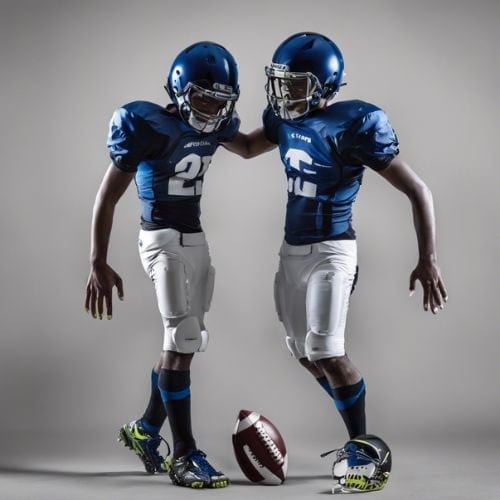
This article is a comprehensive guide to putting on football pads, covering everything from the types of pads used to the step-by-step process.
Whether you are a new player, a concerned parent, or a coach looking to educate your team, this article will give you the information and techniques to put on football pads properly.
Let’s explore football pads and how to wear them properly to maximize performance and minimize injury risk.
Pads on Football
Football is a physically demanding sport that requires players to wear protective gear to minimize the risk of injury. One vital piece of equipment is pads, which provide additional support and cushioning during gameplay.
Putting on pads may seem straightforward, but wearing them correctly is essential to maximize their effectiveness. In this article, we will provide you with a step-by-step guide on how to put on pads for football.
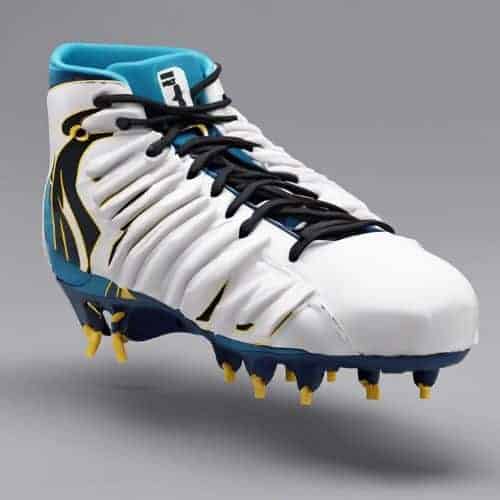
Step 1: Gather your equipment
Before starting, gather all the necessary equipment. This includes pads for your shoulders, thighs, hips, knees, and other position-specific areas. Also, have your practice or game jersey, compression shorts, cleats, and helmet ready.
Step 2: Compression shorts and jersey
Put on compression shorts for a snug fit that helps keep everything in place. Next, put on your football jersey. Ensure it fits comfortably and isn’t too tight, leaving enough room for your pads.
Step 3: Shoulder pads
Slide both arms through the shoulder pad straps, ensuring the pads sit squarely on your shoulders.
The pads should rest comfortably in the center of your chest. Adjust the straps for a snug fit, ensuring the pads stay secure and don’t restrict movement.
Step 4: Thigh and hip pads
Most football pants have built-in pockets for thigh and hip pads. Locate these pockets and insert the corresponding pads.
Thigh pads should be centered on the front and outside of each thigh, while hip pads should cover your hip bones. Adjust the pads as needed to ensure they stay securely in place.
Step 5: Knee and other specific pads
If your football pants don’t have specific pockets for knee pads, you can wear them directly on your knees and secure them with appropriate straps or sleeves.
Some players may require additional pads specific to their position, such as tailbone pads or neck rolls. Follow the manufacturer’s instructions to attach these additional pads properly.
Step 6: Final adjustments
After wearing all the necessary pads:
1. Take a moment to assess their positioning and fit
2. Ensure that no pad feels uncomfortable or restrictive
3. Move around, bend, and flex to determine if any adjustments need to be made
4. Remember, the pads should protect without hindering your performance or mobility
Step 7: Helmet and cleats
Finally, put on your properly fitted helmet and ensure the chin strap is securely fastened. Lace up your football cleats, ensuring they provide enough support and traction for your movements on the field.
Putting on football pads correctly is crucial for safety and confidence. Following proper fitting procedures helps players feel prepared and protected on the field.
Always follow the equipment guidelines provided by your coach or team to ensure you meet any specific regulations. Stay safe and enjoy the game!
How To Put On Pads for Football
Football is a contact sport that requires athletes to wear proper protective gear. One essential piece of equipment for football players is a set of pads. Pads cushion blows and reduce the risk of injury during tackles and collisions.
However, putting on pads correctly ensures maximum protection and comfort. In this article, we will guide you through putting on football pads.
1. Gather the Necessary Equipment
Before putting on pads, ensure you have all the required equipment. This includes shoulder, thigh, knee, and hip pads.
You’ll also need a football girdle or compression shorts to secure the thigh and hip pads properly.
2. Start with the Shoulder Pads
Unfasten all the shoulder pad straps. Slip your arms through the holes with the pads resting on your shoulders.
The pads should cover your collarbone and extend halfway between your nipple and the top of your sternum. Adjust the pads until they sit correctly.
3. Secure the Shoulder Pads
Once the shoulder pads are in position, secure them by fastening the front and back straps. Ensure the belts are snug but not too tight, as they should allow your movement and breathing.
4. Put on the Girdle or Compression Shorts
Next, put on your football girdle or compression shorts. These will hold the thigh and hip pads in place, preventing them from shifting during the game. Slide the girdle or shorts up to your waist, ensuring they are snug and comfortable.
5. Insert Thigh and Hip Pads
Insert the thigh pads into the slots provided in the girdle or shorts. Adjust the pads to cover your thighs and provide adequate cushioning and protection. The thigh pads should fit snugly without restricting movement.
6. Position the Knee Pads
Place the knee pads just below your knees. They should fully cover your kneecaps to protect them from impact.
Use tape or sleeves to keep the knee pads secure and prevent them from slipping during the game.
7. Double-check the Fit
Finally, double-check that all pads are correctly positioned and securely fastened. Move around to make sure they don’t restrict your mobility. If any pads feel too loose or too tight, adjust them until you find a comfortable fit.
Properly putting on pads is vital for your safety during football games. Ill-fitting or incorrectly positioned pads can cause discomfort, hinder your performance, and leave you prone to injury. Take your time and follow the steps outlined in this article to ensure you have the best possible protection.
Determine the Suitable Size Pads
To ensure optimal convenience and protection on the football field, it is crucial to determine the correct size pads for each player.
Ill-fitting pads can hinder movement and expose vulnerable body areas to potential injuries.
To choose the right size, players should take their measurements and consult sizing charts from reputable sports equipment manufacturers.
Accurate chest, shoulder width, and waist measurements are essential. Choose pads that fit snugly without restricting movement or causing discomfort.
Properly sized pads help players perform at their best while maintaining the necessary level of protection during intense gameplay.
Gather All Necessary Equipment
Gathering all necessary equipment before putting on football pads is essential to ensure a safe, efficient process.
Start by selecting an appropriately sized helmet that fits snugly and provides ample head protection. Also, choose shoulder pads appropriate for the player’s position, with sufficient coverage and shock absorption.
Remember to have sturdy football cleats that provide traction on the field. Lastly, ensure the team or league requires a mouth guard, athletic tape, and other accessories. With all the equipment ready, players can proceed confidently and focus on properly putting on their pads for optimal performance and safety.
Wear Comfortable Clothing and Shoes
Comfortable clothing and shoes are essential to maximize comfort and mobility while putting on football pads.
Opt for breathable, moisture-wicking materials for proper ventilation and sweat absorption. Avoid tight-fitting or restrictive clothing that may impede movement or cause discomfort.
Choose shoes with adequate support and cushioning to protect the feet and ankles. Properly fitting shoes will enhance stability and help prevent injuries while handling and adjusting the pads.
Comfortable clothing and shoes help ensure a smoother, more enjoyable experience when preparing for the game.
Put on Shoulder Pads First
When putting on football pads, start with the shoulder pads. Shoulder pads provide vital protection for the upper body, especially the shoulders and collarbone. Hold the shoulder pads with the straps facing forward.
Slide each arm through the corresponding armhole, ensuring the pads rest comfortably on the shoulders. Adjust the straps and clips to secure the pads firmly, ensuring they are snug but not tight.
Proper shoulder pad placement provides optimal protection and support during gameplay.
Secure Shoulder Pads Properly
Paying attention to the fit and adjusting the straps accordingly is essential to secure shoulder pads properly.
Begin by ensuring the shoulder pads are centered on the shoulders and provide equal protection on both sides. Then, locate the shoulder strap attachments and fasten them securely.
The straps should be tight enough to hold the pads in place but not so tight that they restrict movement or cause discomfort. Take the time to adjust each strap individually to ensure a snug, secure fit.
Also, check the straps periodically during gameplay to ensure they stay securely fastened. Properly securing shoulder pads can help football players improve safety and confidence on the field.
Place the Thigh Pads Next
Next, place the thigh pads properly. Thigh pads provide crucial protection for the upper legs, an area prone to contact and impact during football games.
Locate the pockets within the football pants specifically designed to hold the thigh pads. Carefully insert the thigh pads into the pockets, ensuring they are evenly and securely positioned on both thighs.
Adjust the placement as needed to ensure maximum coverage and protection. Remember, the thigh pads should cover the front and sides of the upper legs to help protect against potential injuries.
Once the thigh pads are in place, take a moment to make sure they feel comfortable and don’t restrict movement. Properly positioning the thigh pads is a vital step in equipping yourself for the physical demands of football.
Adjust Thigh Pads for Comfort
Adjustments are essential to optimize comfort while wearing thigh pads during football. Start by checking the fit of the thigh pads within the designated pockets of the football pants. If the pads feel too tight or restrictive, loosen the straps or fasteners to increase flexibility.
Also, watch for any discomfort or pressure points caused by the pads. Take a moment to adjust the padding’s position or thickness to ease discomfort and ensure a snug yet comfortable fit.
Remember, finding the right balance between protection and comfort is essential for maintaining peak performance on the field.
Slide Knee Pads Into Place
To properly equip yourself for the game, slide the knee pads into place securely.
Begin by positioning the knee pads just above your knees, ensuring they cover the entire front of your knees for maximum protection. Slowly slide the pads upwards, ensuring they fit snugly without restricting your range of motion.
Note any discomfort or irritation during this process and adjust the positioning accordingly. Slipping the knee pads into place precisely helps safeguard your knees from potential injuries during intense football matches.
Ensure Proper Fit and Coverage
Proper fit and coverage are essential for optimal security and comfort on the football field. Start by adjusting the shoulder pad straps to fit snugly across your shoulders, ensuring they are centered and aligned with your collarbone.
Check that the pads cover your entire shoulders and extend down to your upper arms, providing adequate protection against potential impacts. Take the time to position and secure the shoulder pads properly.
A proper fit enhances your range of motion and allows unrestricted movement during gameplay. Regularly inspect and adjust your shoulder pads to maintain their effectiveness throughout the season.
Double-check all Straps and Snaps
To ensure maximum security and functionality, double-check all straps and snaps.
Carefully examine each strap to ensure it is securely fastened and properly tightened. Verify the snaps are securely in place to prevent looseness or potential slippage during gameplay.
By inspecting and adjusting all straps and snaps, you can minimize the risk of your shoulder pads shifting or loosening, ensuring the support and protection you need on the football field.
Remember, proper fitting and secure fastening of straps and snaps are crucial for maintaining the integrity of your shoulder pads throughout each game and practice session.
As a professional football player, you must put on your pads properly to protect yourself from injury and perform at your best on the field. By following these steps and adjusting and securing your pads, you can ensure maximum protection and comfort while playing.
So next time you’re gearing up for a game, remember to put on your pads and dominate on the field properly. Stay safe, and play on!
(FAQs)
Q. What are the essential steps to properly putting on football pads?
A. The essential steps to properly putting on football pads include:
1. Wear a base layer to prevent friction and wick away sweat.
2. Put on the shoulder pads and adjust them to fit correctly.
3. Securing the rib pads and back plate.
4. Wear a properly fitted helmet with chin straps securely fastened.
5. Completing the ensemble with thigh, knee, and hip pads.
Ensure all pads are correctly positioned and securely fastened to provide adequate protection and prevent discomfort during play. Regular maintenance and inspections are also essential to keep them effective.
Q. What is the correct order for putting on different types of pads, such as shoulder, thigh, and knee pads?
A. The correct order for putting on different types of pads, such as shoulder, thigh, and knee pads, may vary depending on personal preference and comfort. However, a standard order is to put on the shoulder pads first, then the thigh pads, and then the knee pads.
This order allows a gradual buildup of protection, starting with the upper body and moving down to the lower body. Ultimately, trying different orders and adjusting as needed is essential to find the most comfortable and secure fit.
Q. Are there any specific techniques or tips for adequately adjusting and securing football pads for maximum protection?
A. Several techniques and tips exist for adequately adjusting and securing football pads for maximum protection.
First, ensure each pad fits snugly and is positioned correctly on the body. Use the straps and clips to secure the pads, ensuring they are neither too tight nor too loose.
Q. How can players ensure their pads fit correctly and provide the necessary level of comfort and mobility during a football game?
A. Players can ensure that their pads fit correctly and provide the necessary level of comfort and mobility during a football game by following a few steps:
They should measure their body correctly and choose pads corresponding to their size and position. Try on various brands and styles to find the best fit.
Q. Are there any additional accessories or gear that should be worn with football pads to enhance safety and performance?
A. Additional accessories and gear can be worn in conjunction with football pads to enhance safety and performance. Common examples include helmets, mouthguards, chinstraps, thigh and knee pads, cleats, and gloves. Helmets protect the head from injury and reduce the risk of concussions.
Mouth guards protect the teeth and help prevent jaw injuries. Chinstraps keep the helmet secure. Thigh and knee pads provide extra protection for the thighs and knees.
Cleats provide traction on the field, improving performance and reducing the risk of slipping. Gloves improve grip and can help you catch and hold the ball.
A Comprehensive Guide to Maximizing Safety and Performance
Football is a physical, demanding sport that requires proper equipment to protect players and support performance. One crucial aspect of this equipment is the pads. Pads protect players from injury by cushioning and supporting vulnerable body parts such as the shoulders, chest, and knees.
Putting on pads correctly isn’t just a matter of convenience; it’s also crucial to ensuring they work as intended.
In this article, we will guide you through putting on football pads so you can maximize safety and performance on the field.
#FootballGear #PadUp #GameReady #FootballLife #GearUp #TackleTime #PlayHard #FootballHustle #SportsStyle #FitForTheField #GameOn #FootballFam #PracticeMakesPerfect #GridironGoals #KickoffReady #FootballBasics #StayProtected #AthleteVibes #FieldReady #FootballDrills #TeamSpirit #ReadySetPlay #SportyStyle #FootballFun #GetInTheGame #PlayLikeAPro #ProtectYourself #FootballTips #GameDayReady #WinningMindset #FootballLove