Do you know the how to clean motorcycle helmet pads. If you’re in the motorcycle gear industry, you know that maintaining and cleaning motorcycle helmet pads is crucial for both safety and customer satisfaction.

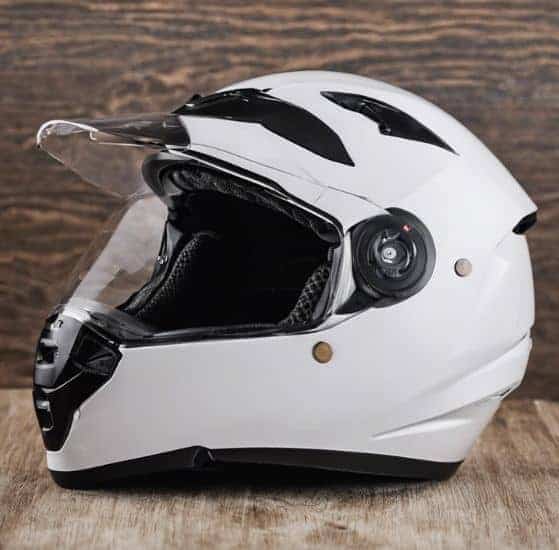
What Are Motorcycle Helmet Pads?
Motorcycle helmet pads, also known as helmet liners or cheek pads, are the interior components of a helmet that come into direct contact with the rider’s head and face. These pads are created to provide a relaxed fit, absorb sweat, and cushion the head in the event of an impact. Over time, helmet pads can become soiled with sweat, dirt, and bacteria, compromising their effectiveness and comfort.
The Importance of Cleaning Helmet Pads
Regularly cleaning motorcycle helmet pads is essential for several reasons:
1. It helps to maintain hygiene by removing sweat, oils, and bacteria that can get over time. This is especially important for rental helmets or those used by multiple riders.
2. Clean helmet pads contribute to overall comfort and fit, ensuring that the helmet remains snug and secure during rides.
3. Proper supervision can extend the lifespan of the helmet and its components, saving both riders and businesses from the cost of premature replacements.
How to Clean Motorcycle Helmet Pads
Now that we comprehend the importance of cleaning helmet pads, let’s explore a step-by-step process to clean and maintain them effectively:
1. Remove the Pads: Most modern motorcycle helmets are designed with removable and washable pads. Carefully detach the pads according to the manufacturer’s instructions.
2. Hand Wash or Machine Wash: Counting on the manufacturer’s recommendations, either hand wash the pads using a gentle detergent and warm water or machine wash them on a gentle cycle. Avoid using harsh chemicals or bleach, as these can damage the pads.
3. Air Dry: After washing, allow the pads to air dry completely. Avoid using a dryer or direct heat, as this can induce shrinkage or damage to the pads’ material.
4. Sanitize: Once dry, consider using a mild disinfectant spray specifically designed for helmet liners to eliminate any remaining bacteria.
5. Reassemble: Once the pads are clean and dry, carefully reassemble them into the helmet according to the manufacturer’s guidelines.
The Importance of Motorcycle Helmet Pads for Local Business Owners
As a local business owner in the motorcycle industry, you understand the significance of providing top-notch safety gear to your customers. Among the essential protective equipment, motorcycle helmet pads play a vital role in providing the safety and comfort of riders.
In this blog, we’ll delve into the importance of motorcycle helmet pads, their impact on rider safety, and why local businesses should prioritize offering high-quality pads to their customers.
Understanding the Role of Motorcycle Helmet Pads
Motorcycle helmet pads, also known as helmet liners or cheek pads, are integral components of a helmet’s interior. These pads are designed to provide a snug and comfortable fit for the rider while offering impact safety and shock absorption in the event of a crash or impact. They not only contribute to the overall comfort of the helmet but also play a pivotal role in ensuring its effectiveness as protective gear.
Enhanced Safety and Protection
Motorcycle helmet pads are non-negotiable when it comes to rider safety. In the unfortunate event of an accident, these pads serve as a cushioning layer between the rider’s head and the helmet’s hard shell. By absorbing and dispersing the impact forces, the pads help reduce the risk of head and facial injuries, making them an indispensable element of helmet safety.
Furthermore, well-designed helmet pads can help minimize the rotational muscles that can cause brain injuries during a crash. This added protection is vital for riders of all experience levels, emphasizing the significance of investing in high-quality and impact-resistant helmet pads.
Comfort and Fit for Riders
In addition to safety considerations, the comfort and fit of a motorcycle helmet are paramount for riders. Helmet pads play a crucial role in providing a customized and secure fit for individuals with varying head shapes and sizes. A properly fitted helmet with well-padded interiors can prevent discomfort, chafing, and distractions while riding, thereby enhancing the overall riding experience for customers.
Why Local Businesses Should Prioritize Quality Helmet Pads
As a local business owner catering to motorcycle enthusiasts, prioritizing the quality of helmet pads can set your establishment apart from competitors. By offering helmets with premium, impact-absorbing pads, you demonstrate a commitment to rider safety and satisfaction. This not only builds trust and loyalty among your customer base but also positions your business as a reputable source of reliable safety gear.
Moreover, aligning your inventory with high-quality helmet pads can contribute to positive word-of-mouth referrals and customer recommendations. Riders are more likely to return to a business that prioritizes their safety and comfort, fostering long-term patronage and a positive brand reputation within the local motorcycle community.
More Keywords: Motorcycle helmet pads, helmet liners, cheek pads, rider safety, impact protection, local business owner, motorcycle industry, safety gear, comfort, fit, helmet interiors, impact-resistant, customer satisfaction.
How To Clean Motorcycle Helmet Pads
Motorcycle helmets are crucial for protecting riders from potential injuries on the road. However, with frequent use, the helmet pads tend to accumulate dirt, sweat, and grime, making them unclean and uncomfortable. This not only affects the longevity of the helmet but also poses a risk to the rider’s health.
Properly cleaning and maintaining motorcycle helmet pads is essential for both safety and comfort. Unfortunately, many riders overlook this task or are unaware of the proper methods to do so. In this article, we will deliver a step-by-step guide on how to clean motorcycle helmet pads effectively.
Whether you’re a seasoned rider or new to the world of motorcycles, this guide will ensure that your helmet remains in pristine condition and provide you with the best protection on your rides. So, let’s dive in and learn how to keep your helmet pads clean and fresh.
Remove Pads and Wash Gently
To effectively clean motorcycle helmet pads, proper care must be taken to maintain their quality and functionality. Start by pulling the pads from the helmet, ensuring a thorough cleaning process. Gently washing the pads with mild soap and lukewarm water is recommended to avoid causing any damage.
It is crucial to handle the pads delicately, avoiding rigorous scrubbing or twisting that may result in fabric distortion or loss of padding integrity. After washing, allow the pads to air dry in a well-ventilated area, avoiding direct sunlight or heat sources that could potentially warp or degrade the materials. By following these steps, you can ensure that your helmet pads remain clean, hygienic, and in optimal condition for your next ride.
Cleaning Instructions
1. Remove pads from the helmet
2. Soak pads in warm soapy water
3. Gently scrub with a cloth
4. Rinse thoroughly with clean water
5. Squeeze out excess water
6. Air dry in a well-ventilated area.
Soak Pads in Mild Detergent
It is advisable to soak the pads in a mild detergent solution. This gentle cleaning method helps to remove dirt, sweat, and odors that may accumulate over time. Prior to soaking, ensure that the pads have been removed from the helmet for a more thorough cleaning process. Submerge the pads in a basin or sink filled with lukewarm water and a small amount of mild detergent, allowing them to soak for a designated period.
This will permit the detergent to penetrate the fabric and effectively break down any stubborn stains or debris. After the soaking process, carefully rinse the pads with clean water to remove any residue, ensuring that all traces of detergent have been eliminated. Following these steps will help to maintain the cleanliness and longevity of your motorcycle helmet pads.
They are cleaning supplies for motorcycle helmet pads.
1. Mild detergent
2. Warm water
3. Soft cloth
4. Bucket
5. Gloves
6. Towel
Rinse Thoroughly and Air Dry
After completing the cleaning process, it is crucial to rinse the motorcycle helmet pads thoroughly and allow them to air dry completely. Rinse the pads under running water, ensuring that all traces of detergent are removed. Thorough rinsing will help to prevent any residue from irritating the skin or damaging the pads’ materials.
Once rinsed, gently press out any excess water from the pads, being careful not to wring or twist them forcefully. To expedite the drying process, place the pads in a well-ventilated area away from direct daylight or heat sources. Allowing the pads to air dry completely is essential to prevent the development of mold or mildew, ensuring that they remain hygienic and in optimal condition for future use. By pursuing these steps, you can effectively clean and maintain your motorcycle helmet pads for safe and comfortable rides.
Helmet Pad Cleaning Steps.
1. Remove pads from the helmet
2. Rinse with mild soap and warm water
3. Gently scrub with a soft brush
4. Rinse thoroughly to remove all soap remains
5. Squeeze out excess water
6. Allow to air dry completely before reattaching to the helmet
Use A Disinfectant Spray
To further enhance the cleanliness and hygiene of your motorcycle helmet pads, a disinfectant spray is recommended. A disinfectant spray is designed to virtually eliminate bacteria, viruses, and other dangerous microorganisms that may be current on the surface of the pads. Prior to using the spray, ensure that the pads are clean and dry.
Holding the spray at a distance, evenly apply a generous amount of the disinfectant spray onto the pads, making sure to cover all areas thoroughly. Allow the disinfectant to sit on the pads for the suggested amount of time specified on the product label.
This will ensure that all germs and contaminants are effectively neutralized. After the designated time has elapsed, gently wipe away any excess remains using a clean cloth. By incorporating the use of a disinfectant spray into your cleaning routine, you can provide an additional layer of protection and maintain optimal hygiene for your motorcycle helmet pads.
Helmet Cleaning Supplies.
1. Disinfectant spray
2. Microfiber cloth
3. Mild detergent
4. Warm water
5. Sponge or brush
6. Paper towels or drying rack
Reattach Pads when Completely Dry
Once you have completed the cleaning and disinfection process for your motorcycle helmet pads, it is crucial to reattach them only when they are scorched. Moisture or water can lead to the growth of bacteria and mold, compromising the cleanliness and effectiveness of the pads. To ensure they are thoroughly dried, leave the pads in a well-ventilated area or use a fan to expedite the drying process.
It is essential to exercise forbearance and avoid rushing this step, as improperly reattaching damp pads can result in undesirable odors and potential health hazards. By adhering to the principle of reattaching pads when completely dry, you can maintain the hygiene and longevity of your motorcycle helmet pads, allowing for a safer and more comfortable riding experience.
Cleaning Motorcycle Helmet Pads.
1. Remove pads from the helmet
2. Wash with gentle soap and water
3. Rinse thoroughly
4. Allow to dry completely
5. Reattach pads to helmet
6. Ensure secure attachment before riding
(FAQs)
Q. Why is Cleaning Motorcycle Helmet Pads Important?
A. Properly cleaning motorcycle helmet pads is essential for several reasons. First and foremost, routine cleaning helps to release sweat, dirt, and bacteria that can get over time. This not only ensures a hygienic wearing experience but also helps to prolong the lifespan of the helmet pads. Additionally, clean helmet pads contribute to better ventilation and overall comfort for the rider, enhancing their experience on the road.
Q. What Cleaning Supplies Are Needed?
A. To clean motorcycle helmet pads effectively, gather the following supplies:
1. Mild soap or helmet cleaner
2. Warm water
3. Soft bristle brush or sponge
4. Clean, lint-free cloths
Q. How to Clean Motorcycle Helmet Pads?
The cleaning process can be broken down into a few simple steps:
1. Remove the helmet pads from the helmet according to the manufacturer’s instructions.
2. Gently hand wash the pads in a sink or basin using mild soap or a specialized helmet cleaner and warm water.
3. Use a soft hair brush or sponge to gently scrub the pads, paying particular attention to areas with visible dirt or sweat stains.
4. Rinse the pads simply with clean water to remove all soap residue.
5. Pat the pads dry with a clean, lint-free cloth, and permit them to air dry completely before reinserting them into the helmet.
Q. How Often Should Helmet Pads Be Cleaned?
The frequency of cleaning helmet pads can vary depending on usage and personal preference. However, a good rule of thumb is to clean the pads at least every few months or more frequently if they become visibly soiled or create an odor. Regular cleaning helps to maintain the implementation and longevity of the helmet pads.
Q. Any Tips for Maintaining Clean Helmet Pads?
In addition to regular cleaning, there are a few tips to help maintain clean helmet pads:
1. After each ride, allow the helmet pads to air out and dry naturally to prevent the accumulation of sweat and odor.
2. Avoid using powerful chemicals or abrasive cleaning tools, as these can damage the pads and compromise their integrity.
Conclusion
Properly cleaning and maintaining your motorcycle helmet pads is essential for hygiene purposes and safety. By observing these simple steps, you can guarantee that your helmet pads remain in top condition, providing you with comfort and protection on your rides.
Remember to clean them regularly and replace them if they become too worn or damaged. With proper care, your motorcycle helmet pads can last for a long time and keep you safe on the road. Ride on!