Providing most items are perfect and conventional, allowing them to be highly satisfied with the experience for people who travel by helicopter. For aviation helmets, the helicopter pilot helmet is a one-stop shop.
Helicopter Helmet
If you’re considering a career in the aviation industry, you’ve likely heard the phrase “helicopter helmet” many times. What is a helicopter’s helmet, and why is it crucial in helicopter flight?
You’re in the right spot! In this comprehensive guide, we’ll delve into helicopter helmets, providing a thorough understanding of their role in the field.
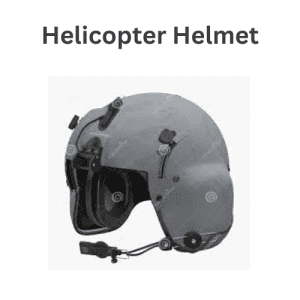
The helmet for helicopters isn’t typical headwear. It’s specialized equipment designed to give vital protection and utility to helicopter pilots and crew members. They are designed for helicopters and provide options that meet the needs of aviation experts.
Key Features and Functions
What distinguishes helmets designed for helicopters from other helmets? Let’s take a look. The helmets are equipped with modern communication technologies, including advanced noise-cancellation and built-in microphones, enabling precise, reliable communication between crew members and Air Traffic Control.
They also often have built-in visors or face shields that protect wearers from dust, wind, and other environmental elements while in flight.
Safety First
In aviation, passenger safety is paramount. Helicopter helmets are crucial for protecting pilots and crew from injury. Equipped with features such as a durable design and built-in impact-absorbing lines, these helmets provide essential protection against sudden turbulence or even accidents.
Some helicopter helmets are designed to accommodate night vision goggles, which enhance visibility in low-light conditions.
Finding the Right Fit
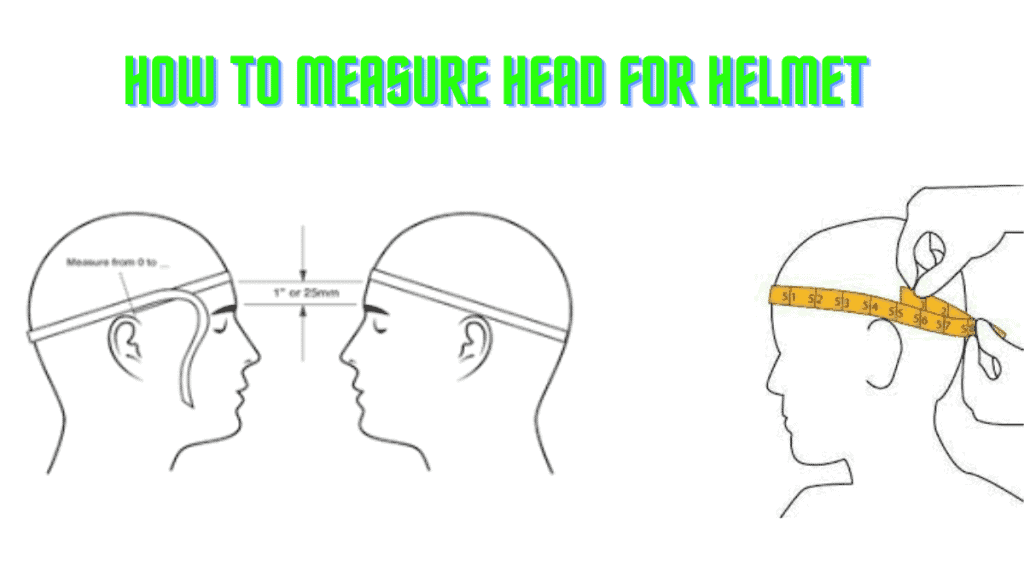
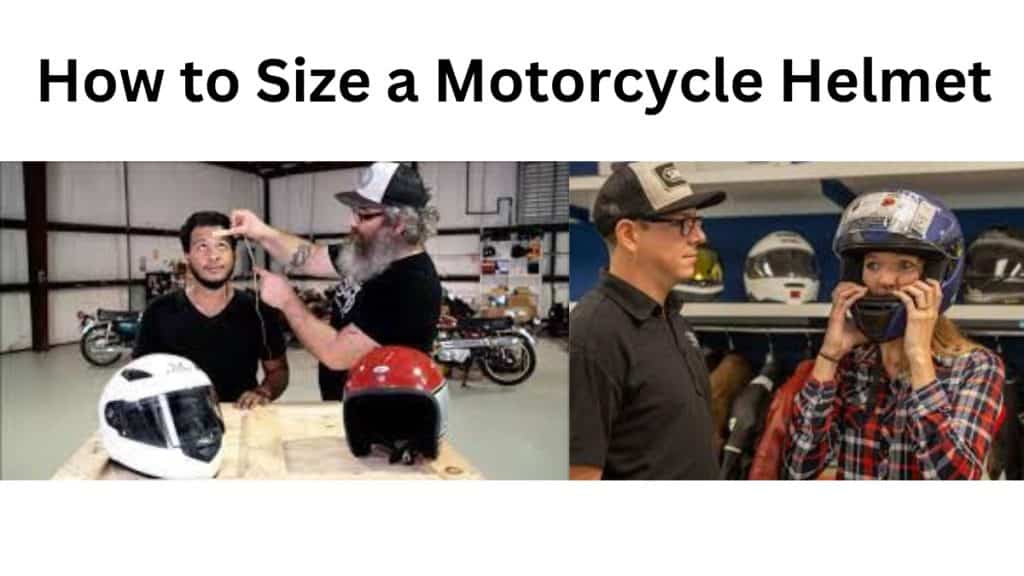
If you are a job seeker interested in aviation, particularly helicopter operations, selecting the right helmet is essential. An appropriately fitted helmet provides comfort, ensures user safety, and enhances health and potential employment opportunities.
Knowing the specific helmet requirements of diverse aviation companies is essential. Some employers may have specific helmet models to meet their specific operating requirements.
Training and Familiarization
After landing a job in the helicopter aviation sector and being accepted, you’ll learn the proper usage and care of helicopter helmets. Being familiar with a helmet’s functions and capabilities is crucial to ensure you are fully integrated into your role as a helicopter pilot or crew member.
When you enter the helicopter aviation industry, understanding the importance of helmets is crucial to your safety and success. These unique pieces of equipment go beyond equipment for wearing a helmet – they’re vital instruments that aid in the safe and efficient process of helicopters. Suppose you are committed to safety and stay up to date on the latest advances in helmet technology.
Most Important Safety Design
The investigation focuses on the key variables in the preliminary safety design of helicopters, with helmets treated as independent variables.
Safety Take Action for Helicopter
The dependent variables include accident frequency, risk, number of injuries, drivers’ responses to this act, and other factors that inform the experimental framework for the Air Accident Safety Act for Helicopters.
This design focuses on how a person represents the situation by making sound decisions and implementing effective designs for a safe riding program.
There are various options, including conversion to electric or simple helicopters.
The use of gradients across different types of air surfaces, the creation of narrow or wide helicopter lanes, and these conditions will govern multi-directional intersections while flying.
The Best Helicopter Helmet Reviews in 2026
1. Phoenix Helicopter Helmet
2. Lightweight Helicopter Helmet
3. Helicopter Helmet Respirator
4. Gallet Helicopter Helmet
5. Carbon Fibre Helicopter Helmet
6. Helicopter Helmet Vietnam
1. Phoenix Helicopter Helmet
Paraclete Aviation Life Support passionately believes that aviation life support equipment saves lives, and this passion colours everything we do.
Manufacturing the Phoenix is a significant part of our work, so we wanted to ensure it was safe to do so. We thought the best way to ensure this was to have it tested.
The Phoenix Helicopter Helmet is the only civilian helmet independently tested by the US Army Aeromedical Lab (USAARL).
Our passion for safety is evident in the independently tested, third-party-certified Phoenix Helicopter Helmet. It is designed for use only in rotary-wing aircraft.
This is important because the safety requirements for helicopter helmets are stricter than those for fixed-wing aircraft.
The helmet is delivered fully assembled, featuring a clear outer visor and a tinted (neutral) inner visor. The Carbon Fibre Dual Visor Cover includes an ANVIS NVG Quick Release Mounting Plate.
This model of the Phoenix Helicopter Helmet includes an unpainted visor cover and our standard shell paint colour options. Standard paint colour options are available to suit the most common requests.
2. Lightweight Helicopter Helmet
Kevlar is an extremely solid plastic. If that seems unimpressive, note that there are hundreds of polymerized organic plastics (joined into long-chain molecules), each with vastly different properties.
As a patented material, Kevlar is manufactured in two primary varieties: Kevlar 29 and Kevlar 49. It is chemically similar to Nomex, a different flexible material used in helicopter helmets.
Kevlar and Nomex are examples of organic aromatic polyamides.
Kevlar is a perfect anti-ballistic material (projectile- and knife-resistant) due to its high tensile strength. Tensile strength is the resistance offered by a material against a force to prevent elongation.
The tightly woven fibres of strongly directed (aligned) polymer molecules are difficult to separate: splitting them requires significant energy and time.
Most famously, it’s used to make bulletproof vests, lightweight helicopter helmets, and other lightweight military equipment. Riding shoes, firefighting apparel, body armour, and body pads also believe in Kevlar’s unique qualities.
It is relatively lightweight for a material this strong. It has high heat resistance (decomposing at around 450 °C) and, unlike most other plastics, does not melt or expand when heated.
Kelvar is highly immune to cold and doesn’t become brittle at very low temperatures. Last but certainly not least, it is highly resistant to abrasion.
3. Helicopter Helmet Respirator
Donning/Doffing: Variable methods and products were tested, including a head harness retention system and/or a button-snap retention system attached directly to the helmet. Donning and doffing of both the head harness and button-snap systems were simple.
The advantage of the head harness system was its ability to maintain a protected state while allowing the flight helmet to be removed, for example, when a crew member exited the aircraft to load/unload.
A patient or equipment requires leaving the immediate vicinity to either make patient contact or enter a controlled environment, such as a hospital facility.
Flight Testing: The Half-face Respirator mask showed no safety risk during testing. It eliminated all identified safety concerns discovered during testing of the medical isolation/surgical mask and the N95 respirator.
All flight modes were tested, including safety glasses, prescription glasses, and NVGs. At no time did the half-face respirator cause fogging in any of these devices.
The use of the half-face respirator improved communication, as its design eliminated external noise and reduced impedance.
Due to its inherent design, the mask’s seal integrity was maintained across all flight modes, and breathing remained unaffected.
Recommendation: Due to its ease of use, a half-face respirator is our recommended industry standard for air ambulance operations, surpassing a medical isolation/surgical mask or an N95 respirator.
Preserving the seal’s integrity effectively improved communication, reduced or eliminated fogging-related visual impairments, facilitated decontamination, and ensured comfort, while providing the highest level of protection available for the devices tested.
4. Gallet Helicopter Helmet
Helicopter helmets are critical equipment and play a vital role for pilots and crew. The MSA Gallet helicopter helmets meet or exceed industry standards.
We sell only authentic MSA Gallet helmets. At Merit Apparel, our top priority is safety. Still, we know that fit, comfort, function, and reliability are major contributors to working at the highest level and achieving the job’s objectives.
We also understand that your helicopter helmet may be a key element in maintaining consistent, high-quality communication links with those on board and on the ground.
Your helmet is designed for passive noise reduction and for radio and intercom connections with your team.
Low-quality or improperly fitted helmets, as well as poorly designed communication systems, can compromise your ability to work seamlessly with your crew. We work hard to ensure these are not issues for any customer we serve.
Merit Apparel also offers NOMEX flight gloves, which are heat—and flash-resistant. They have soft sheep ‘s-hide palm inserts sewn with Nomex thread.
5. Carbon Fibre Helicopter Helmet
Another notable feature for pilots is that the F-35 Lightning II’s high-tech helmet is made from carbon fibre.
Usually, we are here to brag about either the benefits or the visually pleasing characteristics of carbon fibre. Still, this time, we must admit that we are torn between the two and the helmet’s overall capabilities.
The helmet is made of carbon fibre and Kevlar, and the visor lens is made from robust polycarbonate for ultimate impact protection.
The bubble-like shape and carbon-fibre construction set this helmet apart, and its lightweight design further distinguishes it. This is a huge advantage for any pilot’s comfort—ask one.
6. Helicopter Helmet Vietnam
We all like a fight when we think it’s right. I think the spirit of patriotism and the will to help oppressed people were there in Vietnam, just like they were in World War II.
You still had the youthful effervescence of intelligent, well-educated young men flying a costly aircraft.
Not only were the aircraft at stake, but also your passengers, so there was an enormous sense of responsibility in both wars.
On the other hand, most of the Vietnamese guys were raised by the post-World War II generation and never lived through the poverty of the Depression. A few of them were raised on farms. Instead, you had kids who were raised in the city.
You had mixed-race and background individuals within aviation crews, which was uncommon in World War II. Of course, the significant difference is that the Vietnam guys came back from a war where we weren’t the clear winners. So they dealt with the social implications, and it was quite a trauma for a lot of them.
As part of a cohesive team within their unit, they all depended on one another. When they left that “Family,” they returned to a world that had no idea of the accomplishments and experiences they had gained.
They were sometimes perceived as baby killers or drug freaks, completely erroneous perceptions that had been generated by the media and also by protesters and the subculture.
“When you’ve got a guy looking death in the eye every day, it’s hard on morale to tell him he can’t paint his girlfriend’s name on his helmet.”
In general, with the helicopter pilot helmet and their crews, you didn’t find the prevalence of medicine. You didn’t see people going AWOL because they had volunteered to do what they were doing.
Due to the danger, the Army didn’t draft people to become helicopter pilots, helmeted gunners, or door gunners. Going into aviation was a choice.
One day, I called a veteran who had shared some stuff with me, and his wife answered, and she said, “When John came back from Vietnam, people threw faeces at him at the airport. You know, he saved lives over there.
He did the best job he could do, and he lost a big part of his life, only to come back and be greeted like that.” And she said, “You don’t know how important it was for him to find somebody like you who understood, appreciated, and cared.”
Buying Guidelines
When purchasing a helicopter helmet, consider several factors to ensure you select a product that offers maximum protection and comfort. Here is a buying guide to help you make an informed decision:
Safety standards
Ensure that the helmet meets the safety standards established by the Federal Aviation Administration (FAA) or other relevant organizations in your country. This ensures the helmet is designed and tested to provide adequate protection in the event of a crash or other emergency.
Comfort and fit
A good helicopter helmet should fit snugly and comfortably on your head, without causing any discomfort or pressure points. Look for helmets with adjustable straps and padding to ensure a customized fit.
Communication system
If you plan to use your helmet for communication, look for models with built-in communication systems or that can accommodate external communication devices. The communication system should be transparent and reliable, allowing you to communicate effectively with your team.
Noise reduction
Helicopters can be loud, and prolonged noise exposure can cause hearing damage. To protect your hearing, look for helmets with noise-reducing features, such as ear cups or active noise cancellation technology.
Durability
A good helicopter helmet should be made from high-quality materials that can withstand the rigours of regular use. Look for models with sturdy shells, reinforced joints, and scratch-resistant visors.
Weight
A heavy helmet can cause neck strain and fatigue, especially during long flights. Look for helmets made from lightweight materials that do not compromise safety or durability.
Visor
The visor should provide adequate protection from the sun, wind, and debris while maintaining clear visibility. Look for helmets with anti-fog, anti-scratch, and anti-glare visors.
Price
Helicopter helmets can cost from a few hundred to several thousand dollars, depending on their features and quality. Determine your budget and look for helmets that offer the best value for your money without compromising on safety or comfort.
Implementation of Different Aspects
Various measures will be implemented to ensure the helicopter strategies are executed effectively.
This chart explains the construction identity of the helicopter industry on the air side. There are various aspects, including excessive control over pollution through helicopter use.
There are many other things, including the need to be more active. Strategies include conducting campaigns to raise awareness, help people recognize their issues, and provide them with helpful information regarding sustainable perspectives.
This helps keep the workflow smooth and successful, as different strategies have distinct aspects, and additional ideas can help them succeed when implemented.
So what do you think? Do you wear a helmet when flying? Do you think helmet use should be mandatory for helicopter pilots?
1. Increases safety in the event of accidents or unexpected events
2. Noise reduction technology
3. Visor
4. Added protection when flying without doors
5. Holds better than the headset on the pilot’s head
6. Professional look
1. Some pilots find it uncomfortable
2. Too hot in the summertime
3. Very expensive
4. Some pilots do not want to wear it with passengers on board
(FAQs)
Q. Why do helicopter pilots wear helmets?
A. Helicopter operations are often low-level, sometimes over dangerous terrain, and, unlike fixed-wing aircraft, they do not have the choice to glide far away from a breakdown.
Habit—Ex-military helicopter pilots could adopt the habit of wearing a helmet and apply it to civilian operations.
Q. How much does the helmet used by the F-35 pilots cost?
A. Share this: While the pilot’s helmet on the F-35 Joint Strike Fighter is truly state-of-the-art, its cost is staggering – US$400K apiece. Credit: We Apo News.
Let’s face it, the Lockheed Martin F-35 Joint Strike Fighter is a financial disaster for the United States, costing taxpayers US$1.5 trillion, and counting.
Q. Do fighter pilots keep their helmets?
A. No, pilots cannot customize that stuff; it doesn’t belong to them. In military aviation in general, about the only option you’ve got for customizing your workwear patch is.
Q. How much does a pilot helmet cost?
A. If each helmet costs $400,000 and every two 400 F-35s feature a pilot, the rock-bottom cost for helmets is $960 million, not taking into consideration that pilots retire and are replaced by pilots with different-sized heads.
Q. Where are the pilot helmets in Titanfall 2?
A. Blood and Rust may be a tricky Titanfall 2 mission because you spend most of it inside a Titan. You’ll have to jump out to collect the helmets, which makes them easy to miss. Enter the building just after the primary titan battle.
The first pilot helmet is behind a fence on the left, just inside the doorway.
Final Thoughts
The test situation featured in this arrangement is the path on which a human being speaks by making appropriate choices to implement the best plans for the most likely well-being-riding program.
This system offers numerous benefits to society by promoting a healthy lifestyle. If people start their day with a workout and ride regularly, it will benefit their health and fitness.
#HeliLife #ChopperStyle #FlyInStyle #AviatorVibes #HelmetGoals #SkyHighFashion #PilotSwag #HelicopterHustle #FlightGear #SafetyFirst
Best helmets, what helmet is best, best EDC flashlights, helicopter helmet, helicopter helmets, MSA Gallet helicopter helmet, helicopter, us helicopter, Apache helicopter, bc helicopters, army helicopter, helicopter pilot, army helicopters, icon flight helmet, attack helicopter, icon airflite helmet, RC flying helicopter, helicopter motor kit, how to be a helicopter pilot, icon air flight helmet, army helicopter pilot, military helicopters, diy flying helicopter