Are you tired of your hard hat being uncomfortable or irritating during work? Recognizing the importance of comfort can help workers feel valued and cared for, which is essential for safety and productivity.
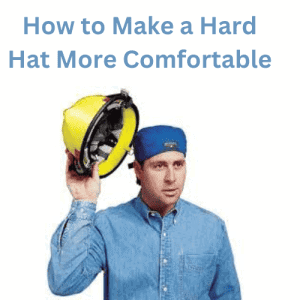
If you’re a blue-collar worker who has to work on construction sites and in hazardous environments, you must know how essential a hard hat is. However, due to its weight (approximately 16 ounces) and unconventional design, a hard hat may become a nuisance.
You have to bear the trickling sweat and scorching heat. In winter, the hard hat does not provide full protection against harsh weather.
This article has addressed all your questions about making a hard hat comfortable. Additionally, the article will provide tips on wearing a hard hat. So, sit back and read on to find out!
Hard Hat More Comfortable
Several factors can make a hard hat more comfortable to wear.
Suspension System
Look for a hard hat with a well-designed suspension system that meets OSHA or ANSI safety standards. This ensures impact absorption, even weight distribution, and compliance with safety regulations, helping you maintain a safe work environment.
Padding and Cushioning
Hard hats with additional padding and cushioning can provide extra comfort. Look for models with foam or gel padding inside the suspension system or on the crown.
Ventilation
Hard hats with ventilation features help improve airflow and reduce heat buildup, making them more comfortable to wear for extended periods. Look for hard hats with vents or channels that allow air to circulate.
Weight
Lightweight hard hats can be more comfortable, especially when worn for extended periods. Consider hard hats made from lightweight materials such as high-density polyethylene (HDPE) or carbon fiber.
Adjustable Fit
Select a hard hat that features adjustable settings to customize the fit. Adjustable straps, ratchets, or wheel adjustments let you fine-tune the fit to your head size and shape.
Sweatbands
Sweatbands are useful for absorbing sweat and keeping your forehead dry. Look for hard hats with removable or replaceable sweatbands that can be cleaned or replaced when needed.
Compatibility with Accessories
If you need to wear additional accessories like earmuffs or face shields, choose a hard hat that is compatible with these attachments and meets safety standards. Ensuring comfort and safety together helps prevent injuries and enhances user satisfaction.
Remember, everyone’s head shape and preferences are different, so it’s essential to try on different hard hat models and brands to find the one that suits you best.
Wearing hard hats is crucial for safety, and upcoming Technological innovations can inspire confidence that future PPE will be even more Comfortable and effective.
Wearing hard hats is crucial to ensuring worker safety in industries such as manufacturing, construction, and mining. They protect against head injuries by deflecting collisions from falling objects, bumps, and electric hazards.
The requirement to wear a hard hat, which often causes discomfort such as sweat and aches, is a common complaint among employees.
Employers in small businesses face the challenge of balancing safety and comfort. Addressing these issues shows employees they are supported, boosting morale and engagement.
In this comprehensive guide, we’ll explore effective ways to make wearing hard hats more enjoyable. Through these methods, Employee productivity, satisfaction, and safety are improved. Let’s get started.
The Importance of a Comfortable Hard Hat
Safety First
Safety isn’t just a business term; it ensures employees return home in the same condition they left. Wearing hard hats significantly reduces the risk of head injuries in workplaces with heavy equipment, elevated work areas, and potentially hazardous conditions.
According to the U.S. Bureau of Labor Statistics, head injuries comprise 7.7 percent of all occupational injuries. This underscores the need to implement effective head-protection safety measures.
Employee Morale and Productivity
Inappropriate attire can negatively impact a person’s mood and productivity. However, research from the Occupational Safety and Health Administration (OSHA) found that comfortable PPE can boost work satisfaction by 25 percent and productivity by 22 percent.
When employees are relaxed, they’re more focused and less distracted by discomfort, which reduces the likelihood of injuries. This positive impact on productivity can motivate and engage your workforce.
Factors Contributing to Hard Hat Discomfort
Fit and Adjustability
A single size may be unsatisfactory for some. This is true for hard hats, too. Hard hats made of rigid materials that aren’t adjustable to accommodate different head sizes or shapes can create pressure points. An improperly fitted hard hat may also pose a safety risk if it falls or fails to provide adequate protection.
Weight and Distribution
The weight and its distribution across your head can significantly affect your comfort. Hats that are too weighty or unbalanced could cause neck strain or headaches. They can also cause fatigue, stress, and tiredness.
Lining and Padding
The padding and interior lining are crucial to comfort. Fabrics that aren’t breathable or absorb moisture make a hard hat hot and sweaty. Additionally, the padding may be insufficient, creating stress points.
Ventilation
If you work in hot conditions, inadequate ventilation could make wearing a hard hat difficult. A buildup of heat within the shell can cause discomfort and sweating, and may lead to heat-related illnesses.
Steps to Make a Hard Hat More Comfortable
Choose the Right Fit
Adjustable Suspension
Opt to wear hard hats with variable suspension. This allows workers to adjust the size of their heads comfortably. Choose between 4- and 6-point suspension systems. These can distribute weight evenly and reduce pressure points.
Size Variations
If your employees have different head dimensions, consider different sizes. Manufacturers offer small, medium, and large sizes to accommodate diverse head types.
Consider the Weight and Balance
Lightweight Materials
Choose hard hats made from extremely lightweight and durable materials, such as high-density polyethylene (HDPE) or carbon fiber composites. These materials provide superior protection without adding excess weight.
Even Weight Distribution
Look for designs that evenly distribute weight across your head. Certain helmets feature integrated front-to-back balance to reduce neck strain.
Enhance Padding and Lining
Replaceable Sweatbands
Many hard hats have built-in sweatbands, but you may want to consider replacing them with moisture-wicking sweatbands. They help keep your interior clean and comfy.
Extra Padding
The padding is placed in the most critical areas, including the sides, front, and top. Memory foam or gel inserts can be an excellent option for enhancing comfort without jeopardizing security.
Improve Ventilation
Vented Hard Hats
Select hard hats with built-in vents. The designs promote airflow, helping reduce heat buildup within the helmet.
Vent Covers
If you are in an environment where debris could enter the helmet, use vent covers to maintain airflow while blocking unwanted objects.
Maintain Proper Hygiene
Regular Cleaning
Keep hard hats clean to prevent sweat, dirt, and grime from accumulating. Follow the manufacturer’s cleaning instructions to prevent damage to the material.
Replace Worn-Out Components
Check and replace worn parts, such as sweatbands, suspension systems, and padding, regularly. Ensuring all components are in good order will help keep your vehicle safe and comfortable.
Listen to Worker Feedback
Conduct Surveys
Ask your employees to provide periodic feedback on the quality and comfort of their hard hats. Use this information to inform your purchasing decisions and suggest changes.
Make Adjustments as Needed
Be open to making adjustments based on your team’s feedback. Small adjustments such as changing the sweatband, adjusting the suspension system, or adding extra padding can significantly improve overall comfort.
Innovative Solutions on the Horizon
Smart Hard Hats
Technology is changing the face of PPE. Smart hard hats equipped with sensors detect environmental conditions, such as temperature and air quality, and can also identify fall hazards. These innovations could alert employees and employers to potential hazards, enabling them to take proactive steps to enhance safety and comfort.
Similarly, the latest models incorporate cooling technologies such as phase-change materials that absorb heat and dissipate it. These technological advancements will significantly improve your vehicle’s comfort, particularly in warmer climates, thereby enhancing employee satisfaction and productivity.
Cooling Solutions
The latest models incorporate cooling technologies such as phase-change materials that absorb heat and dissipate it. These technological advancements will significantly enhance your vehicle’s comfort, particularly in warmer climates.
Ergonomic Designs
Future hard hats will likely feature ergonomically designed models that provide a more comfortable fit for human heads. Incorporating form and function, they will strive to provide excellent protection and ease of use.
3D Scanning and Adaptation
The latest technologies allow customized PPE based on 3-D printing and Scanning. This means hats can be scanned and printed to a perfect fit for each person’s head, ensuring the highest level of safety and comfort.
Frequently Asked Questions (FAQs)
Q: Why is it important to make a hard hat more comfortable?
A: Hard hats are essential for protecting the head from workplace hazards, but uncomfortable hard hats can cause headaches, pressure points, and neck pain, which can lead to decreased productivity, discomfort, and even safety risks.
Q: What are some tips for making a hard hat more comfortable?
A: Some tips include adjusting the suspension system, adding sweatbands or liners, wearing a bandana or cap underneath, choosing a lighter hard hat, and taking breaks to remove the hard hat when possible.
Q: How do I adjust the suspension system of my hard hat?
A: Most hard hats come with a suspension system that can be adjusted by tightening or loosening the straps.
Q: Can I use a hard hat liner to make my hard hat more comfortable?
A: Yes, hard hat liners are designed to add cushioning and comfort to hard hats. There are different types of liners available, including sweatbands, cooling pads, and foam liners.
Q: What is the best material for a hard hat liner?
A: The best material for a hard hat liner depends on personal preferences and the working environment. For example, if you work in hot conditions, a cooling pad or moisture-wicking liner may be more suitable.
Q: Can I wear a cap or bandana underneath my hard hat?
A: Yes, wearing a cap or bandana underneath your hard hat can help absorb sweat and add cushioning. However, ensure the cap or bandana does not affect the hard hat’s fit or interfere with the suspension system.
Q: Are there any other ways to make a hard hat more comfortable?
A: Other ways to make a hard hat more comfortable include choosing a hard hat with ventilation, adjusting the chin strap, and wearing ear muffs to reduce noise levels. Additionally, taking frequent breaks to remove the hard hat and stretch can help alleviate discomfort.
Conclusion
Hard hats come in different styles and designs. The best option for you is one that includes all the necessary functions and is comfortable.
This article discusses how to make a hard hat more comfortable or convert it into a more comfortable one. We hope that you find the article informative and helpful.
#HardHatHacks #ComfortOnTheJob #WorkwearWin #SafetyFirstButMakeItCozy #ConstructionVibes #HardHatLife #ComfortIsKey #WorkSmartPlayHard #HeadgearHappiness #OnSiteStyle