The Ice Method
There weren’t enough lifeboats on the Titanic, but that was just the tip of the iceberg. Speaking of ice, it is an inexpensive, or rather, free item that one can obtain in any household containing a refrigeration appliance.
Otherwise, if it happens to be snowing or raining hailstones around you, you can opt to use that as a solution to getting that sticky and disgusting stain of gum residue off your carpet.
This method is effective for surface-level gum, but for stubborn or deeply embedded residue, consider combining freezing with gentle scraping or using specialized cleaning products to ensure complete removal. Assess the gum’s firmness and location to decide whether freezing, heat, or solvents will work best for your situation.
Method #1: Using a single ice cube
Reach into your freezer, fill an ice cube tray with water, and freeze it for a few hours.
Tap out a single ice cube and take it to the carpet you want to clean.
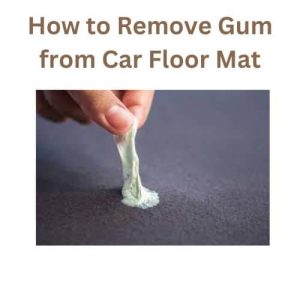
Dab or place the ice cube on top of the gum and leave it for about a minute. This makes the gum stiff and hard so that you can pull it off the carpet quickly.
Try to pull the gum out carefully. Avoid pulling it out roughly, as this can damage carpet fibers and leave a noticeable patch.
Clean the remaining stain using a gentle detergent and rinse with warm water after all the gum has been removed
Method #2: Using an ice-filled bag
This method is effective for large areas of gum on the carpet and involves the following steps.
1. Get yourself a Ziploc plastic bag that’s as large as the gum spot, if not larger.
2. Fill it with ice cubes if you have any or water, then seal it before freezing it for a few hours.
3. Take the bag and place it on top of the gum spot for about 20 minutes.
4. Peel the gum off with ease to avoid pulling up the carpet fibers that may damage the carpet.
5. If there is still some gum left, you can repeat step 4 with new ice or use elbow grease if it persists.
6. Clean the stained area using a gentle detergent solution and rinse with warm water after all the gum has been removed.
The Hairdryer Method
Once gum sticks to your carpet and dries, it tends to harden, and when you try to remove it, you end up removing carpet fibers, leaving a very noticeable patch.
Therefore, heat can reliably remove gum from your carpet. This is especially true if the stain has already dried.
Turn on the hairdryer and set it to the highest heat.
Point the nozzle directly at the gum stain, hovering just a few inches above it until the hardened residue begins to melt.
The goal is to restore the gum to its previous sticky, pliable state and free the fibers from the hardened substance.
Then scrape away the sticky residue with a paper towel, a plastic bag, or a scraping tool.
For heavy or multiple stains, repeat the process until you remove all the gum from the carpet. For better results, alternate between the ice and hairdryer methods.
The WD-40 Method
Another alternative for removing gum from your car mat is WD-40. The term is short for “Water Displacement, 40th formula,” a spray made of various hydrocarbons.
For this process, you would need a fingernail brush, the WD-40 spray can, and spray detergent.
Shake the WD-40 can well and spray a generous amount onto the gum stain on the carpet. Let the stain sit for a few minutes to absorb the solvent. Using the fingernail brush, scrub the gum in the same direction of motion continuously.
Continue applying the WD-40 solution while vigorously scrubbing the stain with the brush. Repeat as needed until you remove all residue from the carpet. To clean the remaining area, spray the detergent directly onto it.
Rinse a clean sponge with warm water and gently apply it to the carpet. Clean the affected area carefully until the stain is gone, leaving your carpet spotless.
High concentrations tend to cause nasal and respiratory irritation, as well as central nervous system effects such as headaches, dizziness, and nausea.
Therefore, keep your face far away from the can as you spray to avoid inhaling the chemicals.
Also, never use the spray near infants, as they are more sensitive to these chemicals and can be negatively affected.
Overall, the WD-40 method has proven highly effective at removing stubborn gum stains from carpets.
The Peanut Butter Method
It’s amusing to consider that peanut butter can clean up the stain left behind by gum stuck on a carpet, yet it is also known to be somewhat sticky and messy.
However, peanut butter is rich in natural oils, which help dissolve chewing gum on the carpet. Use a dinner knife to scrape off as much gum as possible.
Step #1
To make the process easier, first freeze the gum with ice cubes, then scrape it off the carpet with a dinner knife.
Otherwise, you can get hold of the peanut butter and rub it onto the gum stain on the carpet. Apply butter only to the affected area to avoid staining other parts of the rug that were initially spotless.
Step #2
Once you’ve applied enough peanut butter and rubbed it in for a while, wipe the gum off with a cloth. This may leave a bit of peanut butter residue, but it should clean up easily.
Step #3
To remove excess peanut butter, mix a little detergent with warm water and gently dab the solution onto the area. Then use a paper towel to speed up drying, leaving your carpet as good as new.
The Vinegar Method: Car Floor Mat
Gum has an uncanny ability to bond instantly with carpet fibers, making it seem impossible to remove by hand.
However, using basic white distilled vinegar, you can dislodge this sticky nuisance and remove any stains.
Step #1
Freeze the gum. Fill a Ziploc plastic bag with ice cubes and hold it against the gum for about five minutes.
Change the ice once it starts to melt, then repeat until the gum is rock-solid. Try not to saturate the carpet with melted ice.
Step #2
Break off the frozen gum with a hard object, or scrape it off with a cutting tool until it starts breaking into pieces. Pick up the pieces thoroughly, ensuring none are left unattended.
Once they return to room temperature, they can stick onto the carpet again, this time in different locations.
Step #3
Depending on the carpet material, mix a vinegar solution to avoid damaging the fibers.
For example, combine 1 teaspoon of vinegar with 4 cups of water for delicate carpets, while half a cup of vinegar with 1 cup of water suits synthetic carpets. For natural fiber carpets, you can mix half a cup of vinegar with half a cup of water.
Step #4
Take a clean cloth and dip it in your vinegar solution, then dab it on the remaining gum residue on the carpet.
Avoid rubbing the solution directly onto the carpet, as this can cause damage. Once the stained spot is saturated in the solution, let it sit for about 20 minutes.
Step #5
Dip a clean cloth in cold water and dab the same spot once again as you rinse away the vinegar. Repeat until the stain disappears.
Step #6
Use a box fan to dry the wet portion of the carpet to prevent mildew from forming.
The faster the carpet dries, the lower the chance of mildew, which can become a second nuisance.
Using other solvents
Another effective way to remove gum from your car mat is to use a solvent. These solvents can dissolve gum polymers, making it easier to scrape off tough stains. Such solvents include:
1. Mineral spirits
2. Dry-cleaning solvents
3. Muscle rub containing methyl salicylate
4. Citrus-based degreaser
Step #1
Apply the solvents to the gum with a cleaning cloth to help dissolve the polymers and make it less sticky, making it easier to remove the gum from the car floor mat.
Step #2
Let the solvent sit for about 10 minutes, depending on the gum’s hardness, before attempting to remove it.
During this time, the solvents penetrate the polymers, loosen their binding structures, and release the gum from the carpet.
Step #3
Scrape off the gum with a butter knife, using the same gentle scraping motion and direction to avoid damaging the carpet fibers.
Step #4
Using a sponge dipped in a solution of mild detergent and lukewarm water, gently clean the remaining stain until all spots disappear.
Step #5
Use a box fan to speed up the carpet’s drying before walking on it again.
If the carpet remains stained even after using this method, you can use a manual removal method.
Using Lemon Juice
Lemon juice is probably one of the most straightforward solutions you can employ when thinking of how to get gum out of your carpet.
If you have a bunch of lemons, squeeze them to make lemon juice, and you’ll have a straightforward answer right away.
Step #1
Freeze the gum with ice cubes, then break it into pieces to minimize the stain’s surface area.
Step #2
Pour a small amount of lemon juice onto the remaining gum residue and gently rub it, taking care not to push the gum deeper into the carpet.
Step #3
Let the gum soak in the lemon juice for about 10 minutes before scraping it off with a butter knife or pulling it out of the carpet.
The lemon juice penetrates and dissolves the gum’s polymers, weakening its bonds.
Step #4
Using a mixture of soap and warm water, clean the remaining stain until the carpet is left spotless.
Using the Oil Method’
You can even use cooking oil, which is readily available in any kitchen. The oil tends to reduce the gum; however, the only problem is cleaning the oil off the rug once you have removed the gum.
Put some olive oil on a clean cloth and apply or dab it onto the gum until it’s sufficiently saturated.
Use a knife to gently scrape the gum off the mat in the same direction.
Repeat the process until all the gum is gone.
To remove the oil stain, scrub with a solution of dishwashing soap and warm water.
Dry the area using a paper towel.
How long can the carpet or mat stay wet?
It doesn’t matter how small the wet area is, because a carpet shouldn’t stay wet longer than 72 hours, or mold can start to grow.
Don’t assume that because the affected area is small, it will dry quickly after cleaning.
Some carpet fibers and materials absorb and retain water longer than expected, so you need to dry them faster.
Tips to consider when removing gum from carpets and mats
Before applying any cleaning solution to your mat or carpet, always test it on an inconspicuous part of the fabric.
Some cleaning solutions may contain chemicals that damage rug or mat fabric, while others may be too acidic and discolor carpet.
No matter how you remove the gum stain, always clean the residue with a mild detergent solution, such as dishwashing soap in lukewarm water. This helps prevent bleeding in colored carpets.
Cold-shocking the gum with ice cubes works best when it isn’t deeply embedded in the carpet. For deeply ingrained gum, use the other methods mentioned.
Consider hiring a professional if the gum stain seems too persistent, as these experts have the skills to address any stain.
What are the risks of letting the carpet stay wet?
Factors like stale air and room temperature can worsen the carpet’s condition. The longer the carpet stays wet, the faster mold grows.
Various government organizations, including the EPA, suggest that mold and bacteria typically begin to form in wet carpet within 24 to 48 hours.
Mold can also severely affect your health, especially if it spreads throughout the carpet.
These effects include irritation of the skin, eyes, or throat, while severe cases can lead to lung infections and other life-threatening complications.
Drying the carpet after cleaning
With a wet carpet, you have no time to lose because, however small the affected area may be, it can develop mildew and spread to the entire fabric if left unattended.
Air out the carpet
Car floor mats tend to be confined to the car’s interior, which rarely gets enough airflow. Air out the carpet after cleaning the gum stain to help remove the odor and moisture left by the soap and water.
Using Baking Soda
If you’re looking for a useful miracle dryer, then baking soda is a good option. It works wonders as a drying agent, lifting and removing trapped moisture from carpets and car mats that the sun cannot reach.
Sprinkle a generous amount of baking soda over your car mat and let it sit for at least an hour. After that, vacuum the rug and enjoy a fresh, dry carpet.
Steam clean the carpet
Steam cleaning effectively removes toxins from gum stains or mildew and deodorizes them with high heat.
Even after airing out the carpet, toxins may remain, and once they multiply, they can become a health risk again. You can steam the carpet yourself or opt to hire professional help.
Sanitize other surfaces
Bacteria from mold, which thrives in damp conditions, can spread to other surfaces in the vehicle.
For this reason, once you clean your car mats and air-dry them, it is wise to sanitize other areas of the car.
Most specifically, the leg area, because that’s where all the dirt and grime from our shoes is dropped.
Use a Dehumidifier
For general carpet issues, you can use a dehumidifier in the room. This helps remove excess moisture, make the air feel more comfortable, and limit mold and mildew growth on your carpet.
This equipment helps dry the air and floor, shortening the drying time for your carpets.
Use fans to speed up the drying process
Another effective way to dry your carpet quickly is to use fans. While they take time, they also circulate air in the room and help your carpets dry faster, preventing dampness.
Hire professionals
If you’re still unsure about the quality of your carpet cleaning work, you can opt to hire carpet cleaning services near you.
These companies employ professionally trained staff who ensure your carpets and car mats are clean, gum-free, and dry, helping prevent mold and mildew.
Maintaining
Car floor mats come in various materials, such as rubber or upholstery, and cleaning them is one of the best ways to maintain your vehicle’s overall appearance.
After learning how to remove gum from your car mat, it’s also helpful to know how to prevent it in the first place for a fresher look and smell.
Preparation
Open all the doors and remove the floor mats one by one. Do this only if the carpets are removable; otherwise, do not clean the carpets while they are still in the car.
Remove the mats to prevent water damage to your car’s interior and to keep oily or foamy substances from contacting the driver’s-side pedals, which could make them slippery.
Most car mats are removable, allowing you to clean them yourself at Home. If the carpets are built into the car, you’ll have no choice but to clean them carefully inside the vehicle.
Vacuum the cloth floor mats
Use a vacuum to remove dust and soil particles from your car mats before cleaning.
If the mat is damp, you can use baking soda to absorb moisture and foul odors, since it can be difficult to vacuum a wet mat.
Shake the mats to remove extra dirt
Give the mat a few whacks against the ground or a hard surface to remove dust embedded in the rubber or cloth. You can even use a scraper to remove hardened materials before cleaning.
Cleaning the Mats
Washing rubber car mats
Car floor mats are mostly made of rubber because they provide excellent moisture protection for the interior and dry faster than other materials.
Choose high-quality rubber mats to avoid holes, which can let water leak into the interior floor and cause it to rot.
Hose the mat
Use a hose to wash the dirtier side of the mats without wetting the underside. Hose pressure is more effective at dislodging loose materials from the mat than other methods. If you don’t have a hose, you can use a bucket of water instead.
Apply soap to each mat
You can blend laundry soap with baking soda and water to create a fizz that lifts dirt from every mat. If you don’t have baking soda, use liquid soap instead.
You can also use spray soap or apply it with a rag. Press the hose harder and clean the carpets as thoroughly as possible.
Dry the mats
Before putting the mats back in your car, make sure they’re dry. Place all the mats in their designated locations in the vehicle, and set the AC to full heat and the fan to full power.
For a faster, more effective method, consider switching to foot warming on the AC, which helps the mats dry faster.
Washing Cloth Car Mats
Rub the baking powder onto the mats
Baking soda helps remove tough stains from car floor mats and neutralize odors left behind by dirt. You can also scrub the floor mats clean using a stiff scrub brush and water.
Apply Soap and Water
Add detergent to soapy water and scrub the car floor mats with a stiff brush. Mix two tablespoons of washing powder with an equal amount of shampoo, then use the mixture to rub the mats with a brush. Scrub hard, then rinse thoroughly with clean water.
Use Spray Cleaner
You can opt to spray a carpet cleaner over the mat and leave it for about 30 minutes.
Use a Power Washer
Alternatively, you can use a steam-cleaning vacuum on the mats or put them in your washing machine with regular detergent. However, you should apply a spray stain remover first.
Vacuum the floor mats once more
Vacuuming again would help suck off some of the water and remove any dirt from the mats.
Dry the Mats Thoroughly
Since these are cloth floor mats, they dry more slowly than rubber ones. So you’ll need to either hang the mats somewhere or put them in a dryer. Floor mats tend to develop a damp, musky smell if you don’t dry them properly.
You can even spray them with a clean and fresh scent and leave them out in the sun to dry.
Your #1 Stain Removal Solution
Whether you have plastic, cloth, rubber, or carpet floor mats, stains will eventually become harder to remove.
However, if you’re wondering how to remove gum from car floor mats and other carpets, read through the context of this text to find your most suitable solution.
You don’t need to hire cleaning services when you can remove any stain in just a few minutes.
With these tips, you can remove gum from your mat quickly and easily without damaging it.
If you are interested in exploring other Baby floor mats, please refer to “How to Clean Baby Floor Mats” and the other relevant articles.
(FAQs)
Q: How can I remove gum from my car floor mat?
A: There are several methods to remove gum from car floor mats, including using ice, peanut butter, rubbing alcohol, or a commercial gum remover product.
Q: What is the easiest way to remove gum from car floor mats?
A: One of the easiest methods is to use ice. Place a bag of ice on top of the gum and wait for it to harden. Then, use a dull object, such as a spoon or butter knife, to scrape off the gum.
Q: Can I use peanut butter to remove gum from my car floor mat?
A: Yes, peanut butter can be effective in removing gum from car floor mats. Apply a small amount of peanut butter to the gum and let it sit for a few minutes. Then, use a dull object to scrape off the gum and wipe away any remaining peanut butter.
Q: Is rubbing alcohol safe to use on car floor mats?
A: Yes, rubbing alcohol is safe to use on car floor mats. However, test a small, inconspicuous area first to make sure the alcohol doesn’t damage or discolor the mat.
Q: What should I do if the gum is stuck to the fibers of the car floor mat?
A: If the gum is stuck to the fibers of the car floor mat, try using a commercial gum remover product or a citrus-based cleaner. Follow the product instructions and use a clean cloth to rub the area gently.
Q: How can I prevent gum from getting stuck on my car floor mat?
A: To prevent gum from getting stuck on your car floor mat, avoid chewing gum in the car or dispose of it properly. Additionally, consider using floor mats with a waterproof or stain-resistant coating.
Conclusion
Removing gum from a car floor mat can be challenging; however, several effective methods are available. One method is to freeze the gum with ice, then scrape it off with a blunt object.
Another method is to use a solvent or cleaning solution designed to remove gum. Test any solvent or cleaning solution on a small, inconspicuous area of the floor mat first to prevent damage.
No matter which method you use, work carefully and slowly to avoid damaging the floor mat. With patience and the right technique, you can remove gum from a car floor mat.
#GumBeGone #CarCareTips #FloorMatFix #StickySituation #CarCleaningHacks #GumRemoval #MattersOfTheMat #CleanCarClub #DIYCarCare #MessyToFresh #CarLifeHacks #FloorMatRescue #GumNoMore #CarDetailing #SqueakyClean #AutoCare101 #CleaningGoals #GumTroubles #CarMaintenance #CleanWithMe #QuickFix #CarInteriorTips #GumStruggles #DetailingLife #FreshRide #CarHacks #MatMagic #ByeByeGum #CleanVibes #CarLoversUnite