Importance of Pet Gates for Front Doors
Pet gates installed at front doors serve as vital tools for pet owners who want to feel confident their pets are safe and secure while enhancing home safety and security.
Front doors are natural entry and exit points in a home, where pets are most likely to dash outside and face serious risks. Without effective barriers, pets can easily escape onto streets, yards, or other unsafe environments.
Installing a dedicated pet gate by the front door creates a controlled zone that prevents impulsive running and provides peace of mind for pet owners, neighbors, and passersby.

Moreover, a pet gate at the front door adds an extra layer of security beyond a standard door lock.
It acts as a physical barrier, discouraging unauthorized access or intrusions while enabling ventilation or communication through an open door.
For households with children and pets, these gates help define safe zones, preventing pets from approaching strangers or visitors unexpectedly and reducing the risk of accidents or startling interactions.
From a behavioral management perspective, front door pet gates train pets to respect household boundaries and integrate into daily routines with minimal disruption.
They also help during busy times such as deliveries, Family gatherings, or cleaning schedules, where pets might otherwise interfere or attempt to escape.
Additionally, for multi-pet or multi-family homes, front door gates minimize conflicts and maintain a sense of order.
Pet Gate for Front Door
Choosing the right pet gate for front door use is crucial to help pet owners feel assured they are selecting a secure, functional, and aesthetically pleasing solution that meets their specific needs.
Pet owners who focus on front door pet gates typically seek products that can withstand daily use and outdoor elements while preventing pets from slipping past or jumping over.
Highlighting the importance of weather resistance helps ensure the gate remains functional and durable over time.
Durability against weather, foot traffic, and potential pushing by pets is paramount. Many of these gates feature secure locking mechanisms designed for busy households, ensuring easy operation by owners and secure containment for pets.
Another frequent user concern is the visual impact of a pet gate at the entrance. Front door pet gates ideally blend with existing architecture and décor without looking intrusive or makeshift.
Modern designs make gates look like stylish, customized fixtures, with finishes ranging from matte black metal to elegant wood grains that often match front door trim or metal hardware.
For example, a sleek black metal gate can complement contemporary home exteriors and enhance curb appeal.
Furthermore, front door pet gates are sought for their ability to provide ventilation while keeping pets contained. Mesh or slatted designs allow airflow and visibility, reducing the need to close the full door continuously.
This balance satisfies pet owners who want to maintain a comfortable interior environment during warmer months or monitor front porch activity without risk.
Pet owners also find front door pet gates useful in managing entryway dirt and allergens. By blocking pets in a designated area, gates reduce the spread of pet hair, mud, and dander through the home.
This benefit is especially important in homes with allergy sufferers or high foot traffic.
For more information on pet gates for entrances and practical usage tips, consult specialized pet safety and home security resources for guidance and reliable product recommendations.
Benefits of Using a Pet Gate for Safety and Security
1. Enhanced Pet Safety and Escape Prevention
The primary benefit of a pet gate at your front door is ensuring your pet doesn’t accidentally escape into the street or yard unmonitored. Many pets, especially dogs and energetic cats, react impulsively to outside noises or passersby, leading to dangerous dashes.
The pet gate acts as a reliable blockade, giving owners confidence that their pets remain safely inside the home even when the front door is open.
Beyond preventing escapes, pet gates also help prevent accidents from sudden door openings, such as doors slamming on a pet or pets bolting unexpectedly during comings and goings.
This controlled separation prevents injuries to pets and visitors alike and avoids stressful situations caused by chaotic entrances or exits.
2. Added Security and Controlled Access
In addition to pet safety, pet gates at front doors offer a supplementary layer of security by obstructing direct, easy access to the home’s interior.
They discourage uninvited entrants and provide a buffer zone during deliveries or visits, where the door can remain partially open but guarded. This is especially important for homes with toddlers and pets, as it creates a safe segregation from strangers until they are fully settled.
Many modern pet gates include secure locking or latch systems that only owners can operate. This extra security means pets and small children can’t accidentally open the gate, improving household safety.
These gates can also integrate with smart home technology for remote monitoring and automated locking, adding convenience and high-tech safety features.
These gates help keep the front door area clean and organized by creating designated spaces for pets, reducing the spread of mud, dirt, and allergens inside, and supporting a healthier household environment.
Types of Pet Gates Suitable for Front Doors
Choosing the ideal pet gate for front door applications means considering gate type, material, and functionality. The table below reviews common pet gate types, materials, and design characteristics suited for front door installations:
| Gate Type | Material Options | Key Features | Installation Method | Pros | Cons | Best For |
|---|---|---|---|---|---|---|
| Hardware-Mounted | Metal, Wood | Permanent installation, sturdy, secure | Screwed into the doorframe | Very stable, high security, ideal for stairs | Requires drilling/granular installation, permanent | Installation may be complex, and space is needed for the swing |
| Pressure-Mounted | Metal, Plastic | Adjustable width, no wall damage | Tension rods, no tools | Easy to install/remove, renter-friendly | May shift if pushed hard, less stable outdoors | Temporary solutions, renters, and less active pets |
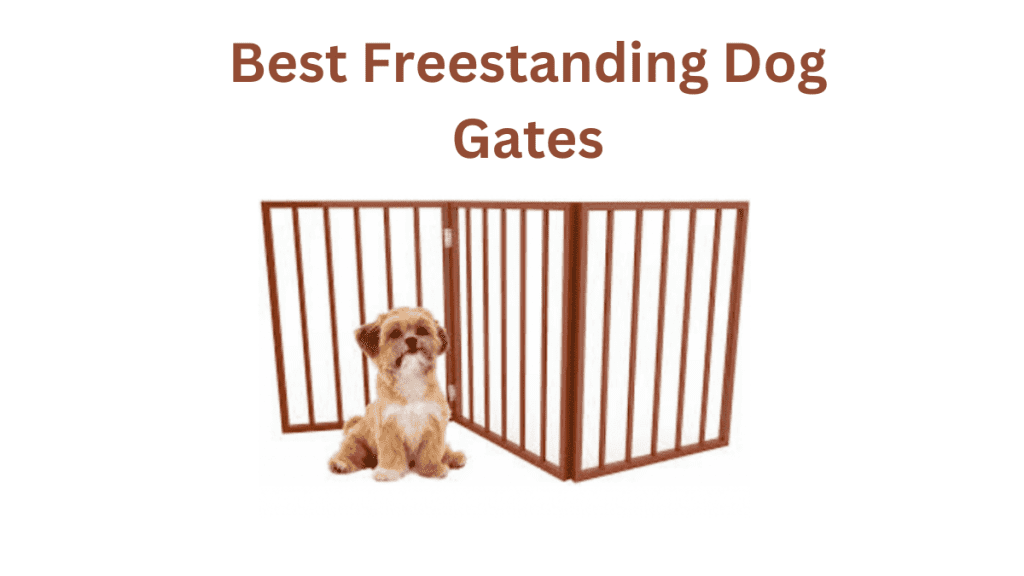
| Freestanding | Plastic, Metal | Portable, no wall attachments | Self-standing | Movable, flexible placement | Less stable, may tip over with strong pets | Multiple-use households, entryways with no suitable mounting |
| Retractable | Mesh fabric, Nylon | Rolls back when not in use, low visual impact | Mounted casing on the wall | Space-saving, aesthetically pleasing, lightweight | Less durable, may not suit strong or jumpy pets | Stylish homes, occasional use, ventilation-focused front doors |
| Swinging | Metal, Wood | Freestanding or wall-mounted | Hardware-mounted or freestanding | Easy access, multi-function | The gate swings open like a door | Busy households needing quick access, pet containment, and secure entry |
| Sliding/Accordion | Metal, Wood | Foldable design, expands to fit various widths | Freestanding or wall-mounted | Versatile width, compact storage | May appear bulky, can be less secure | Large or wide front doorways, multi-pet households |
This detailed comparison shows how different gate designs meet different needs and fit different home layouts.
Considering your pet’s activity level, door style, and household preferences will help narrow down the ideal front door gate type.
For more detailed reviews and purchase options, professional pet supply websites and consumer reports make excellent resources.
How to Choose the Right Pet Gate Based on Your Pet’s Size and Behavior
Choosing the right front door pet gate depends heavily on your pet’s size, behavior, and temperament. Larger, more energetic dogs need gates that are not only tall but also robust enough to withstand strong pushing or scratching.
Heavy-duty hardware-mounted gates made of metal or solid wood tend to work best for these pets because they are durable and resistant to movement or breakage.
Smaller dogs or calmer pets may do well with pressure-mounted or freestanding gates. However, keep in mind that some small pets with high prey drive or anxiety may try to squeeze underneath or jump over shorter gates, so choose a gate with adequate height and no wide gaps near the floor.
Behaviorally, pets that tend to escape, bark excessively at passersby, or react fearfully to visitors may benefit most from secure gates that also act as visual barriers, reducing triggers and stress.
In contrast, pets accustomed to routine and calm interactions may adapt well to less intrusive styles, such as retractable mesh gates that allow airflow and visibility.
If your pet is a climber or jumpy, look for gates with smooth vertical bars, solid panels, or higher mesh screens to prevent escapes. Installing gates alongside training improves success, as pets learn to respect boundaries consistently.
Measure your pet’s height and jumping ability alongside door dimensions to ensure a perfect fit that balances containment with comfort.
Professional pet care guides and forums offer personalized advice based on breed-specific behaviors.
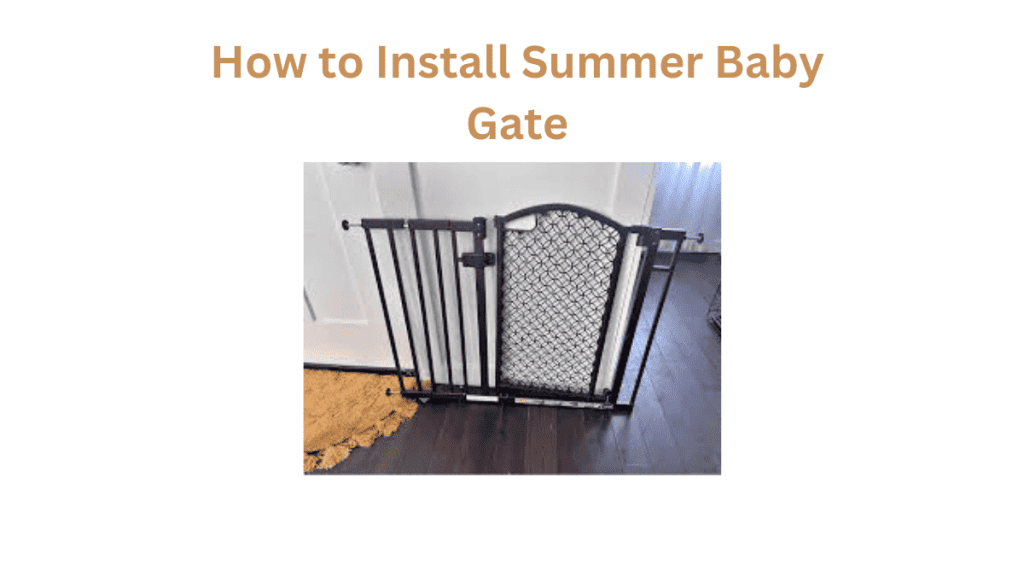
Installation Tips for Setting Up a Pet Gate at Your Front Door
Installing a pet gate at a front door requires precision and consideration of door type and foot traffic. Here are key tips to ensure a safe and secure setup:
Measure Exact Dimensions: Measure the door width and height accurately to choose a gate that fits perfectly and avoids gaps pets can exploit. Measure the narrowest points, considering trim or molding.
Select a Suitable Mounting Method: For renters or temporary setups, pressure-mounted gates are easy but may be less sturdy. Hardware-mounted gates provide maximum stability but require drill-in installation—ensure landlord permission if renting.
Use Tools Properly: For hardware mounts, use a level and drill with the correct bit sizes. Follow the manufacturer’s instructions to avoid damaging walls or doorframes.
Position for Convenience: Install the gate so it doesn’t obstruct foot traffic; swinging or retractable gates offer easier use.
Secure Locking Mechanisms: Test locks thoroughly to prevent accidental openings by pets or children, but ensure easy adult operation.
Weatherproof If Outdoors: For gates exposed to weather near front doors, consider corrosion-resistant materials or apply protective coatings to prolong lifespan.
Consider Thresholds and Flooring: Ensure the bottom of the gate aligns closely with the flooring to prevent pets from slipping underneath, and adjust as needed.
Practice Safety Checks: Once installed, verify stability by gently pushing to simulate pet pressure.
Following these tips provides effective containment and seamless integration into your home’s front door setup.
Demonstration of Opening and Closing Mechanisms of Various Gates
Pet gates designed for front doors often feature diverse opening and closing mechanisms, catering to user convenience and secure pet containment.
Understanding these mechanisms helps owners select gates that best suit their daily routines.
Swing Gates
Swing gates operate like doors—pivoting on hinges to open inward or outward. This mechanism offers easy, hands-free entry and exit for humans and often includes self-closing springs or magnetic catches to ensure gates latch securely after use.
Sliding Gates
Sliding or accordion gates fold together or slide sideways along a track. These gates save space and allow wide openings without swinging parts blocking pathways. Locks are usually integrated at one or more points to prevent unintended gate movement.
Retractable Gates
Retractable gates roll out from a mounted cassette either horizontally or vertically. A simple pull tab extends the mesh barrier, and a locking mechanism secures it. When not in use, the mesh retracts smoothly, minimizing visual impact.
Lift and Lock Gates
These gates lift off brackets or hardware supports to detach for removal and snap back securely when replaced. Some models include a locking latch that requires upward pressure and sideways release for adult-only operation.
Pressure-Mounted Twist Locks
Pressure gates tighten by twisting tension rods that press against opposing walls. Many include button locks or sliding latches that prevent gate opening until intentionally unlocked.
Each mechanism balances accessibility with secure containment. Test the gate operation in the store or through online video demonstrations before buying.
Discussing the Aesthetic Options Available to Match Home Décor
Pet gates no longer need to feel purely utilitarian; modern designs blend practical use with style to complement any front door décor. Homeowners value gates that provide safety without clashing with interior or exterior aesthetics.
Wood Finishes
Wood pet gates come in a variety of stains—from rich mahogany and cherry to light oak and pine—allowing coordination with door frames, flooring, or porch woodwork. Some gates feature decorative moldings or panels for a custom look.
Powder-Coated Metal
Metal gates with matte black, bronze, or brushed nickel finishes offer a sleek, modern look for contemporary or industrial-style homes. Powder coating resists rust and improves outdoor durability.
Minimalist Mesh Design
Retractable or mesh gates provide subtle separation without visually blocking the space, perfect for homes that favor openness and light. Neutral tones like beige, gray, or white make these gates practically invisible.
Decorative Patterns
Laser-cut metal or wood gates incorporate artistic motifs such as geometric shapes, floral designs, or ornamental scrollwork, doubling as decorative accents.
Color Customization
Some manufacturers offer custom color options so gates can perfectly match wall paint or trim details, including pastel or bold color choices for personalized statements.
Choosing an aesthetically pleasing gate encourages permanent installation and daily use, enhancing home function and value simultaneously.
Common Issues and Troubleshooting Tips for Pet Gates
While pet gates are generally effective, users often run into common issues. Addressing these challenges ensures longevity and functionality:
Gate Shifting or Falling
Pressure-mounted gates can loosen over time. Regularly retighten tension rods or add grip pads to prevent slipping. For unstable gates, consider hardware mounting.
Pets Jumping Over
Select taller gates or gates with solid panels. Training and distractions with toys can reduce jumping.
Gate Difficult to Open/Close
Lubricate hinges or sliding tracks. Check for debris blocking movement. Adjust latch alignment for smoother operation.
Scratches and Wear
Apply protective coatings or use thicker metal gates for chewers. Provide alternate scratching surfaces to keep your pet occupied.
Gate Too Narrow or Wide
Measure doorways carefully before purchasing. Use gate extensions if available.
Lock Mechanism Fails
Regular cleaning and lubrication help keep locks working properly. Replace faulty parts promptly.
Addressing these issues proactively improves pet gate performance and household safety.
Pros & Cons
| Pros | Cons |
|---|---|
| Enhances pet safety by preventing unsupervised outdoor access | Installation may require tools and wall modifications |
| Adds security by creating a physical barrier at entry points | Some gates may obstruct foot traffic or require space |
| Various styles and materials to suit indoor/outdoor use | Pressure gates can lose tension and stability over time |
| Portable options provide flexibility for renters and frequent movers | Certain pets may jump or break through inadequate gates |
| Protects home interiors by limiting dirt and allergens from pets | Higher-end models may be relatively expensive |
Buying Guide
When purchasing a pet gate for your front door, consider the following:
Measure Your Space
Take precise measurements of door width and height, including molding and trim, to find an exact fit.
Assess Your Pet’s Size and Behavior
Strong or large pets need sturdy, tall gates—engineered for durability and security.
Choose the Appropriate Gate Type
Hardware-mounted gates offer maximum security but are more permanent; pressure-mounted gates suit renters; freestanding or retractable gates prioritize portability.
Material Durability
Metal offers longevity and scratch resistance; wood suits decorative styles; plastic is lightweight but may be less durable.
Locking Features
Choose secure but user-friendly locks, especially for busy households or homes with children.
Aesthetic Fit
Choose finishes or colors that match your front door and home style for a seamless look.
Installation Requirements
Confirm you have the right tools or help; hardware-mounted gates may require professional installation.
Read Reviews
User experiences reveal strengths and weaknesses not always apparent in descriptions.
Set a Realistic Budget
Balance quality, features, and price—investing in better gates can provide greater safety and longevity.
Consider Extra Features
Some gates offer smart locking, pet doors, or expandable widths to enhance utility.
By evaluating these factors, you can make a satisfying purchase that keeps your pet safe and complements your home.
(FAQs)
Q1: Can I install a pet gate outside at my front door?
A: Yes, provided the gate is weather-resistant, such as metal with powder coating or treated wood designed for outdoor use.
Q2: Will a pressure-mounted gate hold for a large dog?
A: Pressure-mounted gates often struggle with persistent large dogs. Hardware-mounted gates are preferred for greater stability.
Q3: How high should a front door pet gate be?
A: At least 30 inches is recommended for medium dogs; taller gates are advised for larger or jumping breeds.
Q4: Are pet gates safe for small children?
Many gates have childproof lock options, but verify individual gate safety features before use.
Q5: How do I maintain a hardware-mounted pet gate?
Regularly check screws, clean moving parts, and lubricate hinges to ensure smooth operation.
Conclusion
Installing a pet gate for your front door is a proactive, effective step toward safeguarding your pets, securing your home, and maintaining household order.
By restricting pets’ access at critical entry points, a front door pet gate prevents escapes, reduces accidents, and creates a controlled environment for your entire Family.
The variety of gate types—from hardware-mounted to retractable and pressure-mounted options—ensures every household can find a solution that meets their needs, considering pet size, behavior, and home style.
Proper installation and maintenance extend gate functionality and safety, while aesthetic options let gates blend seamlessly into your home’s design.
With informed purchasing decisions and thoughtful use, a well-chosen pet gate offers lasting benefits that promote pet safety, Security, and Peace of Mind.
#PetGateForFrontDoor #PetSafety #HomeSecurity #PetGateInstallation #DogGate #CatGate #HomeSafety #PetOwnerTips #StylishPetGates #PetGateBuyersGuide