Pet Gates for Cats: Importance in Pet Safety and Household Management
Pet gates for cats play a pivotal role in ensuring the safety, comfort, and organization of a household with feline companions. Cats, known for their curious and agile nature, often explore areas that may not be safe or suitable for them, such as kitchens, staircases, or rooms with fragile items.
Using pet gates designed specifically for cats helps pet owners manage their pets’ movements without resorting to cage confinement or constant supervision, striking a balance between freedom and safety.

Unlike dogs, cats can often jump over or squeeze through many traditional pet gates, so specialized cat gates address this challenge with thoughtful designs like taller heights, solid panels, or retractable screens.
These gates prevent cats from accessing hazardous locations while allowing owners to maintain an open floor plan. They also protect sensitive household zones from potential cat damage, such as scratching furniture or knocking over delicate objects.
From a household management perspective, pet gates for cats help maintain hygiene by restricting access to litter boxes and food-preparation areas. They also provide a controlled environment necessary when introducing new pets, minimizing stress and preventing unwanted confrontations. By effectively partitioning living space, gates create boundaries that contribute to a harmonious multi-pet household.
In addition to physical safety, pet gates support cats’ emotional well-being by allowing gradual acclimation to new spaces. With appropriate training and adjustments, cats feel secure in their designated areas, reducing anxiety related to sudden environmental changes.
For readers exploring “pet gate for cats,” understanding these benefits guides selections that enhance both the pet’s welfare and household functionality. For comprehensive insights, trusted pet care websites and veterinary sources are recommended as valuable backlinks for further research.
Pet Gate for Cats
When searching specifically for a pet gate for cats, it’s essential to consider the unique behaviors and physical agility of cats compared to other household pets. Cats are typically able climbers and jumpers, which means a standard dog gate or child gate may not suffice. Understanding what makes a high-quality cat gate is key to meeting cat owners’ needs.
A pet gate for cats must address both height and design to prevent cats from jumping over or slipping under. Many models are taller than dog gates, sometimes reaching up to 36 inches or more, and feature solid or mesh panels that prevent climbing. Owners often search for gates that combine security with unobtrusiveness, blending seamlessly with home décor while providing an effective barrier.
Cat gates come in several varieties, such as retractable, folding, or pressure-mounted—each offering specific advantages related to ease of use, portability, and installation. Some gates are designed with cat doors or flap openings to allow controlled passage on the owner’s terms. Additionally, gates can be freestanding or mounted, depending on the space and flexibility requirements.
Most importantly, pet owners are looking for gates that are easy to clean, durable, and scratch- and chew-resistant. High-quality materials such as heavy-duty metal, reinforced plastic, or well-finished wood are preferred.
As pet ownership grows and home pet safety becomes more important, quality cat gates have become a popular product category, with a wide range of options available online and in pet speciality stores.
For additional guidance on products and care, reputable pet retailer websites align well with user search intent and provide dependable references.
Different Types of Pet Gates Available for Cats: Retractable, Folding, and Pressure-Mounted Gates
When choosing a pet gate for cats, understanding the various types available helps match product features with specific household requirements and pet behavior.
1. Retractable Gates
Retractable gates feature a flexible mesh or fabric barrier that retracts into a mounted casing to span the doorway or hallway. When not in use, the gate rolls back neatly, preserving space and aesthetics.
Retractable pet gates are lightweight, portable, and convenient for locations requiring occasional barriers. Their height and length vary, but they are often sufficient for most cats. However, highly determined or scratching-prone cats may damage the mesh over time, necessitating durable fabric options.
2. Folding Gates
Folding gates consist of multiple hinged panels that open and close like an accordion. These gates are freestanding and can be easily repositioned in different rooms or configurations, making them ideal for varied living spaces or multi-pet households.
Folding gates are usually taller, making them suitable for cats with moderate jumping ability. The panel construction offers stability and visual appeal. They can also serve as room dividers or pet playpen boundaries. However, their bulkiness may make them less portable than retractable designs.
3. Pressure-Mounted Gates
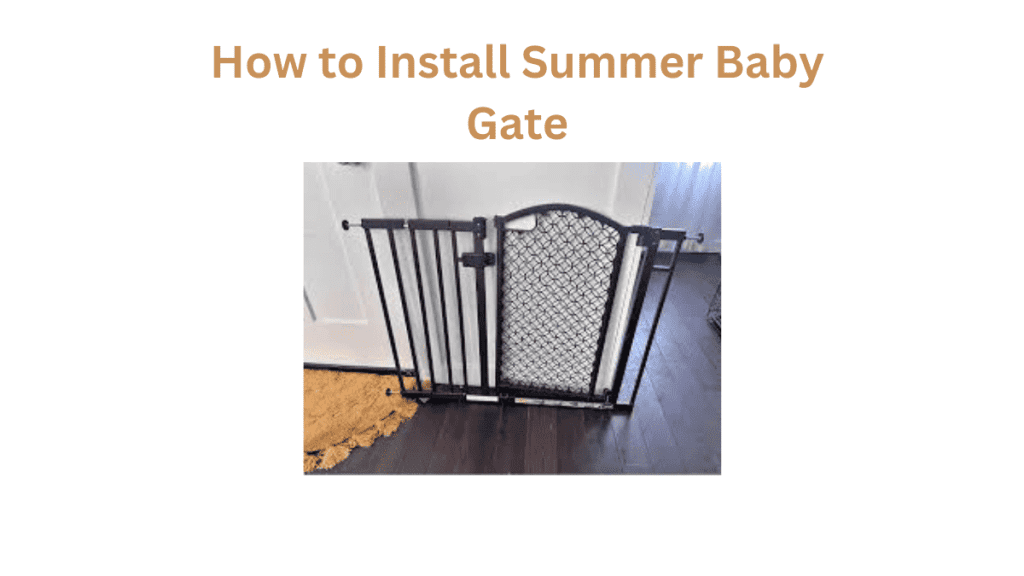
Pressure-mounted pet gates use adjustable tension rods that press firmly against walls or door frames without requiring drilling or permanent installation. These gates are quick to install and remove, making them ideal for renters or those needing temporary solutions.
Because pressure-mounted gates are often taller and feature vertical bars, they effectively deter many cats from leaping over them. However, cats with high jumping ability or strong claws may still challenge these barriers, so choosing a suitable height and robust fencing is advised.
Each gate type offers a unique blend of functionality, ease of setup, and aesthetic compatibility. Many cat owners find the combination of retractable gates for convenience and folding gates for sturdiness to be an optimal solution. Selecting the right pet gate depends on your cat’s behaviour, home layout, and preferences.
Key Features to Look for in a Pet Gate: Height, Material, Ease of Installation, and Durability
Choosing the perfect pet gate for your cat involves evaluating multiple characteristics. The table below outlines key features essential for optimum safety and functionality.
| Feature | Description | Importance for Cats | Recommended Options / Notes |
|---|---|---|---|
| Height | The vertical measure of the gate | High importance; prevent jumping over | Minimum 30 inches recommended; tall models up to 36+ inches |
| Material | Composition of the gate (wood, metal, plastic, fabric) | Durability, scratch resistance, aesthetics | Heavy-duty metal or treated wood preferred; durable mesh for retractable gates |
| Ease of Installation | Complexity, tools required, mounting type (pressure vs. hardware) | Convenience for renters & frequent movers | Pressure-mounted for no-drill needs; hardware-mount for stair safety |
| Durability | Ability to withstand scratching, clawing, jumping | Essential to extend gate lifespan | Powder-coated steel; reinforced plastic; treated hardwood |
| Portability | Does the gate fold or roll for easy transport | Useful for multi-room use or travel | Folding panels and retractable designs excel |
| Locking Mechanism | Child-proof or secure locking prevents accidental openings | Security; prevent cats from escaping | One-hand locks or slide latches preferred |
| Aesthetic Appeal | Visual fit with home décor | Important for household integration | Wood stains, seamless metal finishes, neutral colors |
| Adjustable Width | Ability to fit various door and hallway sizes | Adds versatility | Expandable rods or modular panels available |
| Safety Features | Rounded edges, close bar spacing to prevent squeezing or trapped paws | Critical for pet welfare | Bars spaced no wider than 2 inches; smooth edges recommended |
| Cleaning & Maintenance | Ease of cleaning surfaces or removable components | Hygiene & upkeep | Removable mesh panels or easy wipe-clean surfaces are beneficial |
This table helps pet owners weigh vital factors when selecting a cat gate, balancing safety, aesthetics, and practicality to fit specific needs. High-CPC ad content benefits from detailed comparative tables, attracting users seeking to make informed buying decisions with expert guidance.
Benefits of Using Pet Gates for Cats: Preventing Access to Restricted Areas and Enhancing Security
Pet gates for cats offer numerous benefits beyond serving as physical barriers. Their use promotes both safety and household management.
Primarily, pet gates prevent cats from entering restricted or hazardous areas. Kitchens, bathrooms, rooms with electrical equipment, or storage spaces often pose hazards such as toxic substances, sharp objects, or fragile items.
Gates safeguard cats from accidental injury or ingestion of harmful materials. This controlled containment also allows owners to keep cleaning chemicals or medications out of reach.
Additionally, pet gates prevent cats from damaging furniture or delicate equipment. Some cats may scratch sofas, climb on countertops, or disturb decor. Restricting access helps preserve household items while providing a defined safe space for your feline friends.
From a behavioural standpoint, gates offer gradual acclimation when introducing new pets or managing multiple animals. They reduce territorial conflicts by creating physical boundaries. This containment helps reduce stress and ease adaptation to new environments.
By enhancing security, pet gates keep cats within supervised zones, lessening the risk of escape through open doors or windows. They offer peace of mind, especially for indoor cats accustomed to exploring.
The use of pet gates is an integral part of modern cat care, combining safety, convenience, and behavior management into one invaluable tool.
Tips for Training Your Cat to Adapt to a Pet Gate: Positive Reinforcement and Gradual Introduction
Training a cat to accept a pet gate requires patience and understanding. Unlike dogs, cats may be more resistant to confinement and need gradual exposure combined with encouragement.
Begin by introducing the gate as a neutral object well before closing it. Allow your cat to investigate the gate at leisure. Place treats or toys nearby to create positive associations.
Once familiar, slowly close the gate for short intervals while remaining nearby to reassure your cat. Gradually increase the duration as your cat becomes comfortable. Never force your cat to stay behind the gate if they show signs of distress.
Use positive reinforcement such as treats, praise, or playtime when your cat respects boundaries. Avoid negative reactions or punishment to build trust.
It helps to create a comfortable environment behind the gate by providing bedding, food, water, and a litter box to make the restricted space more appealing.
Sometimes, installing a cat door or flap in the gate provides controlled independence, easing transitions.
Observing your cat’s behaviour and adjusting training accordingly leads to smoother acceptance, reducing behavioural issues and improving cohabitation.
Common Challenges Cat Owners Face with Pet Gates and How to Overcome Them
While pet gates are valuable tools, cat owners often face challenges when implementing them:
Jumping or Climbing Over Gates
Cats can easily jump or climb typical gates. To address this, choose taller gates with solid or mesh panels, and avoid horizontal bars that facilitate climbing. Retractable gates with high mesh sides help deter jumping.
Scratching or Damaging the Gate
Persistent scratching wears down some gates. Selecting gates made from metal or durable wood with protective finishes can reduce damage. Providing alternatives, such as nearby scratching posts, diverts attention.
Gate Not Fitting Properly
An ill-fitting gate creates gaps allowing cats to squeeze through. Measure doorways carefully and choose adjustable gates with extensions or modular panels to customize fit.
Stress or Anxiety Around Gates
Some cats become anxious or resist using gated areas. Gradual training with positive reinforcement minimizes stress. Ensuring the gated space meets your cat’s needs also helps acceptance.
Gate Falls Over or Shifts
Freestanding or pressure-mounted gates may move if not secured correctly. Hardware-mounted gates provide greater stability where possible; otherwise, weighted bases can be used.
Understanding and addressing these challenges helps ensure pet gates perform as intended while maintaining a happy household.
Suggestions for Stylish Pet Gates That Blend with Home Décor
A pet gate need not look out of place or disrupt interior aesthetics. Today’s market offers stylish pet gates that combine functionality with design appeal:
Wooden Gates with Custom Stains
Stained or painted wood gates can match flooring, trim, or furniture, offering a warm, elegant look that integrates seamlessly into living spaces.
Metal Gates with Sleek Finishes
Powder-coated metal gates in matte black, white, or metallic tones offer modern minimalism while providing durability.
Retractable Mesh Gates
Mesh fabric gates that retract disappear, preserving sightlines and visually opening up rooms, ideal for contemporary or minimalist homes.
Decorative Laser-Cut Panels
Some gates feature laser-cut patterns or artistic panels, adding decorative flair while maintaining safety.
Neutral-Colored Plastic Gates
Durable plastic gates in soft greys, creams, or tans provide understated elegance if wood or metal is not preferred.
Choosing a gate that complements your home décor enhances user satisfaction and overall ambience without compromising safety or functionality.
Maintenance and Care Tips for Keeping Pet Gates in Good Condition
Maintaining your pet gate extends its lifespan and retains safety.
Here are essential care tips:
Regular Cleaning: Dust and wipe surfaces weekly using pet-safe, mild cleaners. For metal gates, prevent rust by drying thoroughly after cleaning.
Inspect for Damage: Check for scratches, cracks, or loose parts monthly. Address issues promptly to avoid risks of sharp edges or instability.
Lubricate Hinges: Use pet-safe oils on metal hinges and locks to ensure smooth operation and reduce wear.
Tighten Mountings: Whether pressure-mounted or hardware-mounted, ensure tension rods or screws remain tight and stable.
Protect Against Chewing: If your cat is a chewer, consider applying non-toxic deterrent sprays or providing alternative chew toys.
Store Properly When Not in Use: Keep retractable or folding gates in dry, safe locations to avoid warping, mould, or damage.
Consistent upkeep conserves your investment and upholds pet safety standards.
Pros & Cons
| Pros | Cons |
|---|---|
| Provides safety by restricting access to hazardous areas | Some cats may still attempt to jump or climb over gates |
| Helps prevent property damage and maintains household order | Installation types may not suit all homes (e.g., drilling) |
| Various styles available to match decor | Certain materials can be prone to scratching or wear |
| Portability and ease of relocation for many gate types | Not all gates are suitable for extremely agile or large cats |
| Enhances pet training and adaptation | Some cats initially resist confinement, requiring training |
Buying Guide
Selecting a pet gate for your cat requires balancing safety, convenience, and aesthetics.
Here are key steps for informed buying:
Assess Your Cat’s Behavior
Determine your cat’s jumping ability, climbing habits, and temperament. This affects gate height and material selection.
Measure Gate Location
Accurately measure doorways or hallways where you intend to place the gate. Consider angled walls or baseboards that may affect fit.
Choose Gate Type
If portability and space-saving are priorities, retractable or folding gates are good choices. For permanent safety, hardware-mounted gates are preferable.
Material Selection
Metal gates offer durability and chew resistance; wooden gates suit classic interiors; plastic gates are lightweight and easy to clean.
Review Safety Features
Look for secure locking mechanisms, proper height, and smooth finishes to prevent injury.
Installation Considerations
If renting, pressure-mounted gates avoid wall damage. If stairs are involved, hardware-mounted gates provide the highest level of security.
Read Customer Reviews
Feedback provides real-world performance insights; focus on longevity, ease of installation, and pet resistance.
Evaluate Price vs. Quality
Higher-quality gates often have longer lifespans and better safety. Balance budget constraints with features and durability.
Consider Aesthetic Options
Choose styles and colors that blend with your home for better integration.
Warranty and Support
Selecting reputable brands that offer warranties and customer service builds confidence.
A thorough evaluation ensures the selected gate meets both pet-safety needs and household style.
(FAQs)
Q1: Can cats jump over any pet gate?
A: While many cats can jump high, gates 30-36 inches tall with smooth, solid surfaces are most effective in preventing escapes.
Q2: Are retractable pet gates durable enough for cats?
A: Durability varies; choose retractable gates with strong, tear-resistant mesh for longevity.
Q3: How do I train my cat to accept a pet gate?
A: Use gradual introduction, positive reinforcement with treats, and ensure a comfortable space behind the gate.
Q4: Can a pet gate be used on stairs for cats?
A: Hardware-mounted gates are safest for stairs; pressure-mounted gates can be unstable.
Q5: How do I clean a pet gate?
A: Wipe with mild soap and water; metal gates may need rust protection; fabric gates require spot cleaning.
Conclusion
Pet gates for cats are indispensable tools that enhance the safety and harmony of homes with feline companions. They provide effective boundaries without confinement, protecting cats from hazards and household items from damage.
Understanding various gate types—from retractable to folding and pressure-mounted—enables owners to select solutions that fit both their pet’s habits and living spaces.
#PetGateForCats #CatSafety #CatCareTips #PetGates #CatTraining #HouseholdPetSafety #PetGateInstallation #StylishPetGates #CatBehavior #PetOwnerResources