In the world of work-related security, hard hats act as a crucial first line of defense against head injuries in hazardous workplaces. Recognizing their importance can inspire a sense of responsibility, ensuring safety remains a top priority for workers and safety personnel alike.
Construction hats, like several safety and security tools, have a limited lifespan that can be influenced by various factors such as product degradation from direct UV exposure, temperature variations, and general wear and tear.
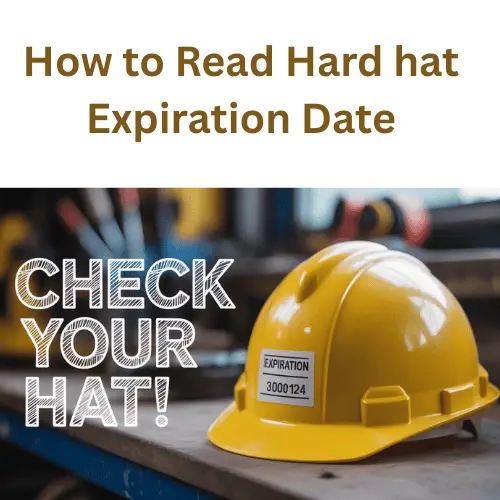
This short article offers a detailed overview of how to accurately check the expiry date on construction hats, emphasizing its relevance for office safety.
By debunking the labeling system used by suppliers, we will equip employees and safety and security experts alike with the knowledge to examine conformity and ensure that they are using dependable protective devices.
Recognizing the importance of routine assessments and replacements based on the construction hat’s expiry date can significantly improve safety compliance and reduce head injury risks. Join us as we explore the details of construction hat expiry, empowering you to make informed decisions that prioritize security in the work environment.
Comprehending How to Read Hard Hat Expiration Date
Construction hats with expiry tags are critical indicators that show the helmet’s life expectancy and safety and security criteria.
Commonly, these labels provide information such as the manufacturer’s date, the anticipated service life based on use conditions, and the specific safety certifications the hard hat meets.
Employees and safety and security supervisors must adhere to these standards; prolonged use beyond the recommended duration can compromise the hard hat’s stability.
Exposure to extreme temperatures, chemicals, and physical wear can degrade the material, increasing the risk of injury.
Regular assessments and monitoring of expiration dates will help ensure that safety helmets remain effective protective equipment. Establishing routine checks can empower organizations and workers to maintain a safe work environment confidently.
By focusing on using helmets that adhere to existing requirements, companies can substantially minimize the likelihood of head injuries and boost overall office safety and security.
1. Check the manufacturing date on the inside label
2. Search for the expiration date published on the label
3. Understand the typical lifespan: typically 5 years from the day
4. Inspect for indications of damage or put on routinely
5. Change the construction hat if the tag is discoloured or worn
Learn to Identify the Expiration Date on Your Hard Hat’s Labelling System Effectively
Understanding the labelling system on construction hats is crucial for maintaining office safety. Each hard hat typically features a tag that includes the manufacturer’s date, which serves as a key indicator for analyzing the safety helmet’s lifespan.
Many hard hats have an expected lifespan of 2 to 5 years; however, this can vary based on use conditions and materials.
Look for specific indicators on the label, such as an expiration date or notes about destruction due to environmental factors. Acquainting oneself with these details empowers users to make educated decisions concerning when to retire a construction hat from service.
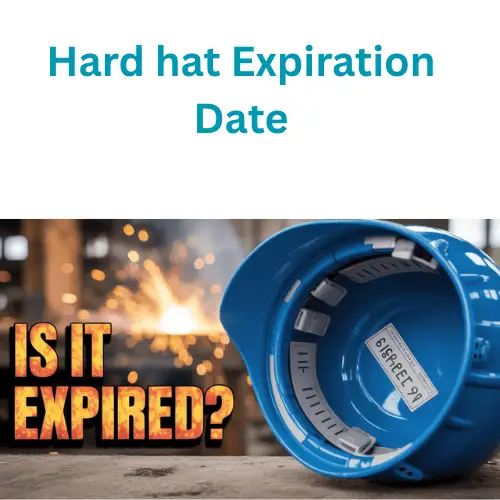
Employees and safety and security supervisors must be educated on the value of expiry labels and encouraged to regularly check their devices to ensure accurate recognition of expiry dates. This practice not only ensures compliance with safety regulations but also promotes a proactive perspective towards personal security and that of fellow workers, reducing the risk of head injuries.
By preserving awareness of the labelling system and the effects of expiry, organizations can substantially minimize the risk of accidents arising from compromised head defence.
1. Find the label inside the construction hat’s suspension system
2. Determine the day of manufacture detailed on the tag
3. Check for expiration date, usually three to five years
4. Seek symbols suggesting life span restrictions
5. Note the condition of the construction hat; replace it if damaged
6. Keep documents of complex hat assessments and substitutes
Relevance of Hard Hat Security
Wearing a hard hat is an essential component of personal protective equipment (PPE) that safeguards people from head injuries in hazardous work environments. These protective helmets are designed to absorb impacts, reduce the risk of penetration from falling or flying objects, and protect against.
The value of construction hard hat safety extends beyond specific protection; it fosters a culture of safety in the office, reminding all workers of the inherent risks of their work. By prioritizing hard hat use, organizations and workers can work together to ensure everyone’s well-being.
A construction worker’s performance is directly connected to their upkeep and proper use. Regular evaluations for signs of wear, damage, or deterioration are vital to ensuring that the headwear remains functional and reputable.
Urging workers to use their protective equipment responsibly fosters accountability and reinforces the value of safety and security protocols. Inevitably, buying hard hats for safety and security not only safeguards workers but also enhances overall performance and morale in the workplace.
1. Safeguards against head injuries from falling things
2. Shows conformity with security guidelines and requirements
3. Ensures exposure in unsafe workplaces
4. It provides insulation against electric threats and shocks
5. Boosts worker confidence and security understanding
6. Vital for building, mining, and industrial workplaces
Recognize Why Examining Expiry Dates is Vital for Work Environment Security and Conformity Laws
Checking expiration dates on construction hats is vital to ensuring workplace safety and compliance with regulatory requirements.
Gradually, direct exposure to environmental factors such as UV radiation, extreme temperatures, and chemicals can degrade the materials used in hard hats, compromising their protective performance.
Expired hard hats may not provide sufficient protection in critical situations, potentially resulting in serious injury or death. By regularly examining expiry dates, companies can ensure that all PPE stays reliable, minimizing risks and showing a proactive approach to employee security.
In addition, compliance with safety regulations often depends on using up-to-date equipment. Regulatory bodies, such as OSHA, require companies to maintain a safe work environment that includes providing practical and reliable PPE.
Regularly assessing expiry dates not only meets legal requirements but also fosters a culture of accountability and diligence among staff. This approach reinforces the view that safety and security are a core responsibility, ultimately leading to a safer labour force and a more compliant company.
1. It makes specific staff members safe in dangerous job conditions
2. Complies with safety and security regulations and market standards
3. Prevents workplace accidents and injuries from equipment failure
4. Maintains appropriate protective gear capability and integrity
5. Avoids lawful obligations and fines for non-compliance
6. Promotes a culture of safety within the workplace
Analyzing Manufacturing and Expiration Dates
Understanding the intricacies of manufacturing and expiry dates is essential to maintaining the performance of individual safety devices. Manufacturing dates suggest when a construction hat was created, providing insight into its expected lifespan.
Most producers set a shelf life, typically 5 to 10 years, depending on the materials used and environmental factors. It is essential to consider both the day of manufacture and the conditions under which the construction hat has been kept and utilized, as these variables can significantly affect its resilience and efficiency.
Expiration dates indicate when a hard hat is no longer considered safe for use. Even if a construction hat has not sustained substantial damage, it should be replaced upon expiration.
Sticking to these dates is essential, as using outdated equipment can compromise security in hazardous work environments. Knowing the specific markings and codes on construction hats will help individuals make informed choices about their safety gear, enhancing workplace security and compliance with security requirements.
Listing: Hard Hat Expiration Day Guide
1. Examine the manufacturing date printed inside the construction hat
2. Seek the expiration date near the tag
3. Understand the expected life expectancy: 3 to 5 years normally
4. Check for noticeable damage or put it on before use
5. Paper is used to track upkeep and substitutes
For Clarity, Understand How to Check Out the Production and Expiration Dates Printed on Hard Hats
Acknowledging the details on hard hats is necessary to ensure employee safety and security. The manufacturing date is usually located within the helmet, commonly formed into the plastic or marked on a label.
This date allows customers to determine the hard hat’s age and whether it falls within the manufacturer’s recommended use duration. Additionally, understanding the symbols and codes associated with the production date can provide insight into compliance with market standards.
Expiration dates, also noted on the hard hat, indicate the period during which the manufacturer no longer guarantees the headgear’s protective properties. It is crucial to consistently review construction hats and replace them as required, especially if they are approaching or have exceeded their expiry date.
Also, minor indications of damage or wear should be taken seriously; hard hats are essential safety tools that must be maintained in optimal condition to protect against head injuries in hazardous environments.
1. Find the manufacturing date on the construction hat tag
2. Look for a stamped expiry date on the internal surface area
3. Understand that a regular construction hat has a life expectancy of three to five years
4. Keep in mind any signs of wear or damage before use
5. Abide by the manufacturer’s guidelines for detailed hard hat types
6. Replace construction hats after significant influences or damage occur
Acknowledging Indications of Put-On
Visible signs of wear on a hard hat can compromise its safety performance and should not be overlooked. Individuals should conduct routine inspections for cracks, damage, or deep scratches on the outer shell, as these may indicate the headgear has been impacted or degraded over time.
Furthermore, the internal foam lining should be inspected for signs of damage, such as flaking or solidification, which can affect the helmet’s ability to absorb impact. Any discolouration or warping of products can also indicate that the construction has been exposed to adverse conditions that may have deteriorated its structure.
The shock absorber, which secures the construction hat to the customer’s head, must be checked for cracks, fraying, or deformation. An end-of-suspension can lead to an inappropriate fit and reduced effectiveness in protecting against influences.
Regularly inspecting these parts, in addition to adhering to recommended replacement schedules, is important for maintaining safety standards and ensuring that construction hats provide the required protection in hazardous workplaces.
Checklist: Acknowledging Indications of Put On
1. Splits or tears in the construction that shall
2. Faded shades show UV damage
3. Damages or significant influence marks exist
4. Loosened or busted shock absorber parts
5. Distorted shape affects fit and convenience
6. Visible indicators of aging or damage with time
Identify Indications of Wear that May Suggest a Hard Hat Needs a Substitute before Expiration
Checking a construction hard hat for signs of wear is necessary to ensure ongoing safety in hazardous work environments. Users must monitor any substantial loss of surface-area gloss, as this can indicate material degradation due to exposure to sunlight or harsh chemicals.
In addition, any unusual smells may suggest that the materials have begun to break down, jeopardizing the hard hat’s protective qualities if the construction cannot fit firmly on the customer’s head or requires excessive force to adjust. These concerns can indicate that the shock absorber’s integrity is compromised, necessitating prompt replacement.
Routine maintenance and visual inspections are crucial for detecting these indicators early. If any critical parts appear damaged or show signs of excessive wear, it is prudent to retire the hard hat from service, even if it is not yet expired.
Prioritizing safety by changing worn-out devices will certainly ensure that safety gear remains as intended, protecting individuals from potential head injuries in the office.
Signs of Hard Hat Wear
1. Cracks or damage in the covering
2. Fading or staining of the material
3. Loss of shock absorber honesty
4. Harsh or damaged edges
5. Deformation or misshaping of the hard hat
5. The existence of excessive scratches or abrasions
Ideal Practices for Hard Hat Upkeep
To maintain optimal performance and longevity, store construction hats properly when not in use. Construction hats must be kept in a dry, shaded location, as prolonged direct exposure to UV rays can degrade the material.
Avoid placing construction hats near chemicals or solvents, as they can accelerate degradation. Using a dedicated shelving unit or storage container can help protect them from physical damage and environmental factors.
Routine cleaning is another fine practice that can extend the life of a hard hat. Clean with mild soap and water, avoiding harsh detergents or abrasive products that can scratch the surface. After cleaning, ensure the hard hat is completely dry before storage.
In addition, individuals must familiarize themselves with the manufacturer’s treatment guidelines, as detailed standards might vary. Adhering to these maintenance practices will not only extend the practical life expectancy of hard hats but also ensure they provide reliable protection when needed most.
1. Inspect for cracks and damage regularly
2. Tidy with mild soap and water
3. Store in an excellent, arid location
4. Replace if subjected to significant influence
5. Check the suspension system for deterioration
6. Avoid direct exposure to severe temperature levels and chemicals
Execute Correct Storage and Care Techniques to Prolong the Life Span of Your Hard Hat
Ensure it remains effective in protecting against potential dangers. Storing hard hats in a way that protects against contamination is essential. Do not hang them by the shock absorber or place heavy items on top of them, as this can alter their shape and structure.
Instead, please consider using an assigned storage space rack or positioning them upside down on a flat surface to maintain stability.
By sticking to these storage and treatment practices, users can dramatically boost the durability and reliability of their construction hats, ensuring optimal defense during use.
1. Shop away from direct sunshine and severe temperatures
2. Clean regularly with mild soap and water service
3. Stay clear when using solvents or unpleasant cleaners on the surface
4. Examine for fractures or damage before each use
5. Replace padding and suspension as needed for convenience
Finally, understanding how to read the expiration date on a construction hat is essential to ensuring workplace safety. By acquainting yourself with the labelling system, including the manufacturer’s guidelines and the specific expiry date, you can make informed decisions about maintaining and updating your safety and security equipment.
Regular examinations and timely referrals not only comply with safety and security guidelines but also protect workers from potential risks. Focusing on the reliability of individual safety devices helps ensure a safer workplace, reinforcing the importance of safety and security protocols across industries.
(FAQS)
Right here are five questions about understanding how to review a construction hat expiry date:
Q. What does the expiry date show?
It symbolizes the completion of the hard hat’s effective lifespan due to material deterioration.
Q. How long does a hard hat’s lifespan typically last?
Most construction hats last 5 to 10 years, depending on usage and environmental factors.
Q. How should I store my construction hat?
Please keep it in a cool, dry location away from direct sunlight.
Q. What details regarding its expiration date are typically included on a construction hat’s labelling?
Construction hat labelling typically includes the manufacturer’s name, version number, ANSI/OSHA compliance information, and the date of manufacture. While construction hats do not have a specific expiration date, suppliers typically recommend a life expectancy of 5-10 years from the date of manufacture, depending on use and environmental conditions.
Some tags may indicate a “usage by” date, which serves as guidance for replacement. It’s essential to inspect hard hats regularly for signs of wear or damage, regardless of the age indicated on the tag.
Q. How can you determine the manufacturing date of a hard hat, and how is it associated with its expiration?
To determine the manufacturing date of a hard hat, check the inside tag or sticker label, which usually includes a date code or the month and year of manufacture. Many construction hats have a suggested lifespan of 5 to 10 years, depending on the supplier’s guidelines and usage conditions.
After this period, even if the hard hat shows up intact, it might no longer provide adequate protection due to deterioration from direct UV exposure, chemicals, or physical wear. Regularly inspect and replace hard hats as needed to ensure safety and compliance with security protocols.
Q. What factors affect the lifespan of a construction hat, and how can these influence its expiry date?
Suppliers typically specify an expiration date of around 5 years, though this can vary depending on the conditions discussed. Regular assessments for splits, dents, or deterioration are essential, as any sign of damage can warrant earlier replacements, ensuring optimal protection for the user.
Q. Do details of sector requirements or standards exist that dictate the expiration date of hard hats? If so, what are they?
Yes, specific industry standards determine the lifespan of construction hats. The American National Standards Institute (ANSI) and the International Safety Equipment Association (ISEA) recommend replacing construction hats every 5 years, regardless of visible signs of wear.
The Occupational Safety and Health Administration (OSHA) calls for hard hats to meet ANSI standards (ANSI Z89.1), which include guidelines for maintenance and replacement.
Variables such as exposure to extreme conditions, chemicals, or impacts may necessitate earlier substitutes. Always refer to the maker’s instructions for particular recommendations regarding your construction hat.
Q. What steps should be taken if a construction hat is found to be past its expiration date, and what are the prospective repercussions of using an expired hard hat?
Please change it to a qualified hard hat that meets safety standards. Using an expired hard hat can reduce protection against impacts and penetration, increasing the risk of head injuries in a crash.
Employers may face liability and enforcement charges if they permit the use of expired safety and security devices, thereby endangering worker safety and violating security regulations. Regular assessments and adherence to expiration dates are essential to maintaining a secure work environment.
#HardHatHacks #SafetyFirst #ReadTheLabel #HardHatLife #ExpirationDate101 #StaySafeOutThere #ConstructionVibes #WorkSmart #GearCheck #KnowYourSafety #HardHatReady #SafetySavvy #JobSiteEssentials #HardHatKnowledge #ConstructionTips #SafetyMatters #HardHatTalk #ExpirationExplained #WorkplaceWisdom #SafetyCulture #HardHatLove #ConstructionSafety #GetInTheKnow #SafetyIsCool #StayProtected #HardHatInfo #BeSafetySmart #KnowYourGear #HardHatCheck #JobSiteSafety #SafetySquad