Learn how a bike helmet should fit. Cycling has become a well-established mode of transportation and recreation, with many people riding two wheels on the streets and trails. While bikes offer significant benefits, you must stay safe by wearing a well-fitting helmet.
It may seem like a straightforward accessory, but it plays a major role in protecting your head from serious injuries in an accident. But simply putting on a helmet isn’t enough to warrant that fitting an appropriate bike helmet is as crucial as the fact that you are wearing it initially.

Incorrectly fitted helmets can cause discomfort, reduce visibility, and, more importantly, fail to provide adequate protection in accidents.
In this post, we’ll cover how to fit a bicycle helmet and provide the information and tools you need to ensure it fits properly for optimal protection and safety.
Whether you’re a veteran biker or just starting, a properly fitting helmet is crucial for a safe and enjoyable cycling experience.
How Should A Bike Helmet Fit: A Comprehensive Guide for Small Business Owners
Small business owners frequently wear many “helmets.” We constantly juggle tasks, oversee employees, and manage processes.
A bike helmet is a physical safety device you can wear at work and at home. Whether you’re riding for work, avoiding congestion, or running a corporate cycling Team, knowing how your bike helmet fits is vital.
In this article, we’ll cover the essential components of a properly fitted bicycle helmet. We’ll emphasize its importance and offer tips to help you ensure your helmet provides optimal protection.
Understanding that a properly fitted helmet can be a lifesaver helps small business owners feel responsible and confident in their safety practices, encouraging them to prioritize helmet fit as a key safety measure.
A properly fitted helmet isn’t just a safety measure; it can be a lifesaver. According to the Insurance Institute for Highway Safety, wearing a helmet reduces the likelihood of suffering a head injury by 60 percent and increases the risk of brain injury by 58 percent.
Why Correct Fit Matters
When a helmet fits correctly, it stays in place during impact, giving cyclists and individuals a sense of reassurance and control, which is essential for their safety and peace of mind.
When a helmet fits correctly, it stays in place during impact, ensuring the shell and liner work effectively. A proper helmet fit can significantly reduce stress on the skull and brain, providing additional critical safety.
Real-World Statistics
Check out these shocking statistics taken from the National Safety Council:
In the year 2019, 1,089 bicyclists were killed in crashes across the United States.
Wearing a helmet is thought to stop 75 percent of head injuries that cause death, as well as up to 85 percent of non-fatal head injuries.
The importance of wearing a bike helmet becomes evident in light of the persuasive data.
Components of a Properly Fitted Helmet
Finding the perfect fit starts by understanding the most essential elements of a bicycle helmet. Each component is crucial in providing safety and comfort during a ride.
Shell and Lining
The outer shell is protected by a tough coating that can withstand cuts. At the same time, the interior liner, typically made of expanded polystyrene foam, helps absorb impact from collisions.
Adjustable Straps
Flexible straps keep the helmet securely in place. The straps must form a “V” under and slightly behind the ears.
Retention System
The dial-adjust fitting system is located in the back of most helmets. This system lets you fine-tune the helmet’s fit so it stays secure and comfortable.
Getting the Fit Right
Understanding how a helmet’s components work is essential. Follow this step-by-step procedure to get the most from your parts and ensure the right fit.
Measuring Your Head
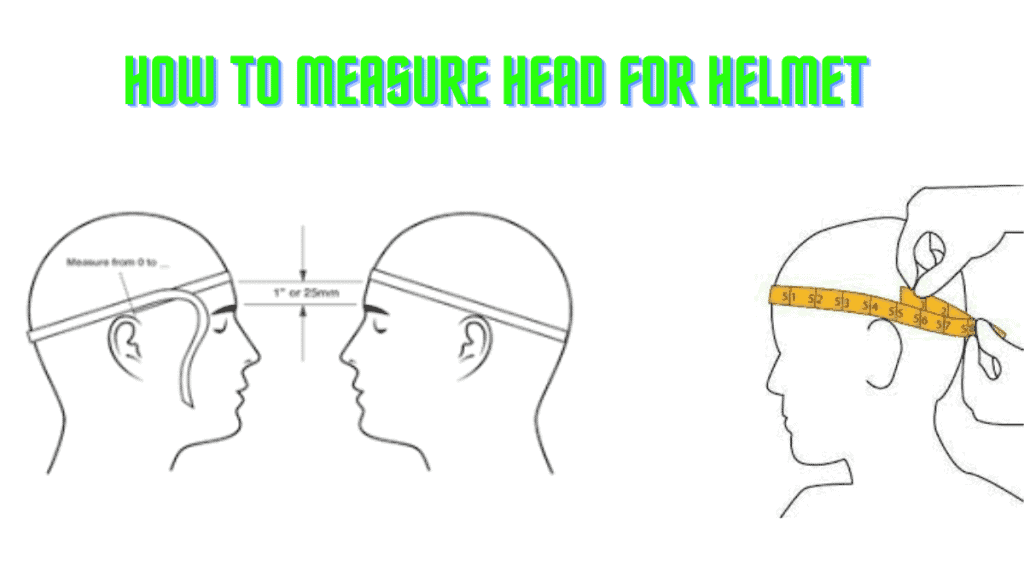
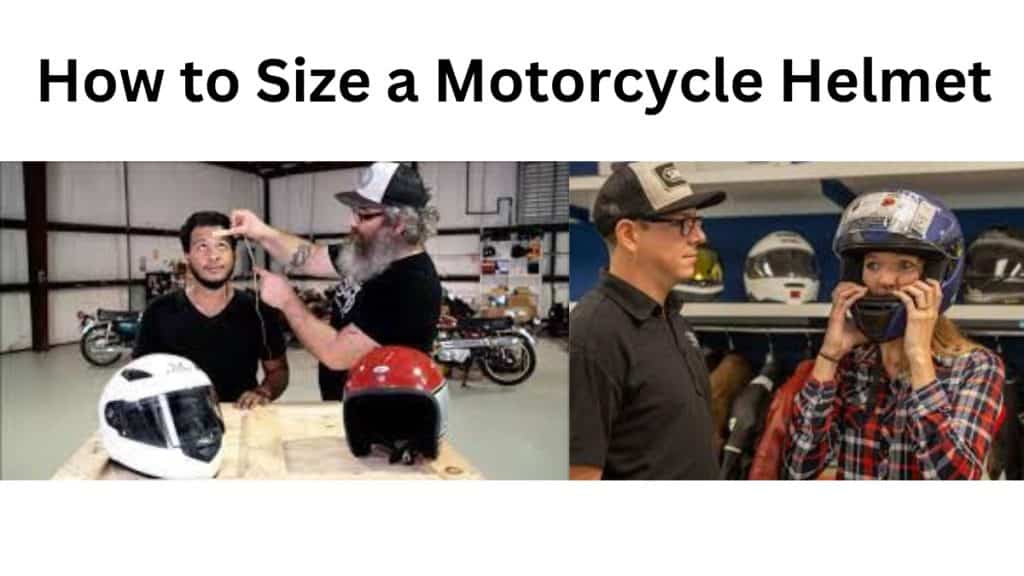
Use a tape measure to measure your head circumference. Place the tape measure approximately 1 inch above your eyebrows, at the widest part of your face. Note the measurement and select an appropriately sized helmet, as most companies include a size chart for reference.
Positioning the Helmet
Position the helmet at an appropriate height above your head, ensuring it covers the upper part of your forehead. Test the fit by gently moving your head and simulating actual cycling conditions; the helmet should stay securely in place without tilting forward or backward, ensuring safety during real rides.
Adjusting the Straps
Secure the chin strap, then adjust it until it is snug, leaving two or three fingers between your cheeks. Ensure the “V” shape of the side straps is directly below the earlobes for optimal security.
Using the Retention System
After adjusting the straps, use the back dial to tighten the fit until the helmet feels secure. Gently shake your head to check for movement; it should remain steady without side-to-side or forward-backward motion. If the helmet feels too tight or loose, readjust the retention system immediately to ensure proper protection.
Common Mistakes to Avoid
Despite the importance of a properly fitted helmet, many cyclists make mistakes that can compromise their safety.
Wearing the Helmet Too High or Too Low
Wearing the Helmet Too High or Too Low: A helmet worn too high can expose the forehead, while one worn too low can block your vision. Proper alignment, with the helmet covering the upper forehead, provides the best protection and visibility during cycling.
Loose Straps and Retention Systems
Loose straps can reduce a helmet’s protective benefits. Adjusting the retention mechanism on the back can inadvertently cause instability, rendering the helmet unusable in a collision.
The Financial and Human Cost of Poor Fit
As a business owner, your role in promoting safety extends beyond the workplace. A head injury can lead to significant financial and productivity losses. By ensuring that you and your team wear well-fitted helmets, you’re not just taking a safety precaution but making a wise business choice.
Practical Tips for Business Owners
Scheduling Regular Checks
Schedule a regular helmet fit test. Helmets can wear down or lose effectiveness over time, so regular inspections help ensure your child’s long-term safety.
Encourage Team Awareness
Encouraging team awareness through initiatives like a ‘Helmet Fit Day’ Helps small business owners foster a safety-conscious environment, making employees feel valued and responsible for their safety.
Invest in Quality
While saving money by buying cheaper helmets may be tempting, investing in high-quality, durable helmets is ultimately a wise financial decision. These helmets offer a perfect fit, ease of use, and long-lasting durability, ensuring your investment pays off over time.
A Perfect Fit to Ensure the Highest Level of Security
A proper bike helmet fit is essential for the highest level of safety. A helmet that doesn’t fit properly can compromise its ability to protect your head in a crash or impact. To ensure maximum security, you need to be aware of the most essential elements of fitting a helmet:
1. Your helmet must be placed at a level position on your forehead and should cover the upper part of your forehead, with no tilt forward or backward.
2. The straps should form a tight V-shape over your ear, with the buckle under the cheeks. Ensuring a comfortable, secure fit is crucial, as a loose helmet can shift during a fall and may not provide sufficient protection.
3. You should perform a shake test following the fastening of the helmet to ensure it is securely fixed.
With a proper fit, you can ride confidently knowing your helmet is designed for safe use on the road.
1. Proper Bike Helmet Fit
2. Head level and snug
3. A gap of two fingers between the eyes and the helmet
4. The straps are snug but not too tight.
5. The straps on the sides form a V-shape around the ears
6. Chin straps are securely fastened
7. The helmet doesn’t move if the head shakes
Check Head Circumference with Precision
To ensure an appropriate fit for the bike helmet you are wearing, measure your head circumference precisely. This will help you select the appropriate helmet size for maximum comfort and safety. Use an elastic measuring tape. To measure your head’s circumference:
1. Tape to the largest area of your head, generally just above the eyes and eyebrows
2. Ensure your tape is leveled and secure, but not overly tightly
3. Make a note of the measurement in inches or centimeters.
4. Consult the size chart provided by the manufacturer of your helmet to determine the correct size based on the circumference of your head. Accurate head measurement helps ensure the helmet fits properly and provides adequate protection during your rides.
1. Proper Helmet Fitting
2. Utilize a flexible measuring tape
3. Tape the eyebrows above and around the head.
4. Make sure the tape is secure but not overly tight
5. Make sure to measure in centimeters for a perfect fit
6. Make sure that the helmet is in a straight line on the head
7. The straps can be adjusted to obtain an appropriate but secure fit
The Straps are adjusted to fit snugly, but at a Comfortable Level
After selecting the appropriate bicycle helmet based on your head circumference, the next step is to adjust the straps with ease, without discomfort. The straps keep your helmet in your preferred position during your ride, reducing the risk of it sliding forward or backward in a crash or fall.
Start by securing the chinstrap. Then tighten it until it feels snug under your cheek. Place one or two fingers between the skin and the strap to ensure it’s snug but not too tight. Then adjust the side straps to create a V-shape just under your ear.
The straps must be secure and properly adjusted to limit helmet movement while ensuring proper circulation and comfort. Check and adjust the straps to ensure a safe, comfortable ride fit. If you can adjust the straps securely and comfortably, your helmet is positioned properly for optimal head protection.
1. Proper Helmet Fit
2. Sit securely on the Chin Strap
3. There are no gaps between the helmet and the head
4. Snug and comfortable
5. The straps on the sides should be adjusted evenly.
6. The helmet sits level on the head
7. Correctly aligned with the forehead and eyebrows
Find a Gap Between the Head and Helmet
Watch for any gaps between your helmet and your head. The gaps can hinder the helmet’s ability to absorb and disperse impacts. Examine the helmet’s fit by running your fingertips along the edges and inside padding.
Focus closely on the temples, foreheads, and sides of your head. Adjust as needed if you notice gaps or areas where the helmet doesn’t sit comfortably. A proper fit is essential to reduce the chance of injury.
Ensuring the helmet provides maximum protection in a collision or fall is vital. Regularly check for gaps and make necessary adjustments to ensure a secure, snug fit. This will improve overall riding safety.
1. Proper Helmet Fit
2. There is no gap between the eyebrows.
3. Comfortable fit, but tight enough.
4. The chin strap is snug under the chin
5. The head is not able to move freely when you turn your head
6. No pressure points in the skull
7. The strap should create the shape of a “V” beneath the ears.
Wear a Helmet that Covers Your Forehead
For maximum safety, your bike helmet must fully protect your forehead. The forehead is most susceptible to injury and needs adequate protection in an accident or fall. The helmet must be placed just below the forehead, near the eye, so as not to obstruct sight.
This protects the forehead from collisions and reduces the risk of head injury. When assessing a bicycle helmet’s fit, ensure it covers the forehead and provides adequate protection during cycling.
1. Proper bike helmet fit
2. Secure and snug
3. Covers the entire forehead
4. There is no space between the helmet and the forehead
5. Chin straps are snug, but they’re not uncomfortable.
6. The head should not be moved when it is shaken
7. Allow two fingers between the helmet and the eyebrows
Chin Straps Should be Secured
One of the most important considerations when fitting a bicycle helmet is ensuring the neck strap is securely fastened. Adjust the chin strap to ensure a comfortable fit under the chin.
It must be snug and secure to prevent the helmet from shifting or sliding while riding, but not so tight that it causes discomfort or restricts breathing.
An appropriately secure chin strap is essential to keep the helmet in place during sudden movement or impact, reducing injury risk and ensuring optimal protection. Always check and adjust the chin strap regularly to keep it secure and maintain your helmet’s effectiveness.
1. Proper Bike Helmet Fit
2. The chin strap is snug under the chin
3. Two fingers beneath your chin strap
4. The strap should not be bent.
5. Chin straps shouldn’t cause any discomfort.
6. The helmet mustn’t slip in the back after the chin strap has been securely secured.
7. Make sure you check the chin strap before each excursion.
Try Shaking Before Riding
Before a bicycle ride, test the helmet to ensure it’s secure. Put the helmet on, then secure the chin strap. Once the helmet is secured, gently shake it from side to side and up and down. This simulates the motions that could occur during riding.
During this test, note any excessive movement or shifting. The helmet fits well if it stays stable and doesn’t move significantly. If you notice movement or looseness, re-adjust the straps or try a different helmet size or style.
If you perform an initial shake test before each ride, you will ensure your helmet provides maximum protection and remains securely in place.
1. Helmet Fit Checklist
2. Sit securely on your chin strap
3. It’s not a tight fit.
4. There is no movement in the head when shaking it.
5. A comfortable pressure on the forehead
6. The head is positioned correctly
7. There are no gaps between the helmet and the head
Replace the Helmet Every Five Years
To ensure maximum safety, replace your biking helmet every five years. Over time, your helmet’s components and integrity will deteriorate, compromising its ability to protect your head from injury in accidents.
Although regular maintenance and inspection can prolong your helmet’s lifespan, it’s important to recognize that it’s a safety item with an expiration date. As technology advances and safety standards evolve, modern helmets provide better protection. When you replace your helmet every 5 years, you can be confident you’re using the latest helmet design, which provides the most secure protection while biking.
1. Helmet Replacement Tips
2. Check for any cracks or damage before each use.
3. Replace the helmet if it is damaged or injured in a collision.
4. Replace the strap if it is worn or damaged.
5. Be sure that the helmet is level over the head. It should also cover the forehead.
6. Make sure the straps fit between the ear and under the chin.
7. Replace every five years since materials degrade over time.
(FAQs)
Q 1. Why is the fitting of your bicycle helmet so important?
Proper helmet fit is essential to your safety in a collision or fall. A properly fitted helmet stays in place, reducing the risk of it falling off during an accident. Additionally, wearing a well-fitted helmet can reduce the risk of head injuries in a collision.
Q 2: How do you fit the bike helmet?
A perfect fit for a bike helmet depends on a couple of critical elements. The helmet must rest flat on your head and a little low on the forehead, with just about two fingers’ width over your eyebrows.
The straps should form a V beneath your ear and, once buckled, provide a firm hold to keep the helmet in place. The helmet should allow you to open your mouth when worn and feel comfortable on your head.
Q 3: What factors should I consider when choosing a bike helmet to ensure the right fit?
When selecting a bike helmet, consider your head size and shape. Different models and brands fit different head shapes differently.
Therefore, experimenting with other options is vital. I also recommend measuring your head precisely. Refer to the manufacturer’s sizing guidelines to ensure the perfect size.
Q 4: How can you know if the bike helmet is the correct size?
Do a few tests to see whether a helmet is right for you. Make sure the helmet fits securely and has no pressure points. It shouldn’t shift when you shake your head.
This ensures that the helmet is safe, as certified by organizations such as the Consumer Product Safety Commission (CPSC) and the European Committee for Standardization (CEN).
Q 5: How can I adjust the size of my bicycle helmet?
Most bike helmets have flexible elements, such as straps and fit systems, that allow for individual sizing. Adjust these elements to ensure a proper, secure fit. If you need further clarification on the adjustments, consulting a competent professional at a nearby bicycle shop can be beneficial.
Conclusion
Ensuring your bike helmet is appropriate is essential for safety when riding. A properly fitted helmet should fit snugly, but not too tightly, with the front edge just below your eyebrows and the straps in a V shape between your earlobes.
Try on helmets in different sizes and styles to find the best fit for your head shape. A properly fitted helmet can help prevent serious head injuries. On your next bike ride, adjust your helmet to ensure a comfortable, safe ride.
#BikeHelmet #SafetyFirst #FitCheck #RideSafe #HelmetOn #BikeLife #CyclingTips #HeadgearGoals #PedalPower #BikingAdventures #StayProtected #HelmetFit #CycleSmart #TwoWheels #RiderVibes #BikeStyle #SafetySquad #HelmetHacks #BikeLove #RideWithConfidence #HelmetFashion #BikingCommunity #GearUp #SafetyIsCool #BikeSmart #FitForTheRide #PedalPals #HelmetCheck #BikingFun #StaySafeOutThere