“Safety Gear Pro Reviews” naturally refers to a company or entity that specializes in providing safety gear, equipment, and related products to individuals and businesses. Safety Gear Pro offers a range of protective gear designed to enhance the safety of workers, athletes, outdoor enthusiasts, and anyone engaged in activities that carry a risk of injury.
This gear can include helmets, safety goggles, gloves, ear protection, respiratory masks, high-visibility clothing, and other protective equipment.
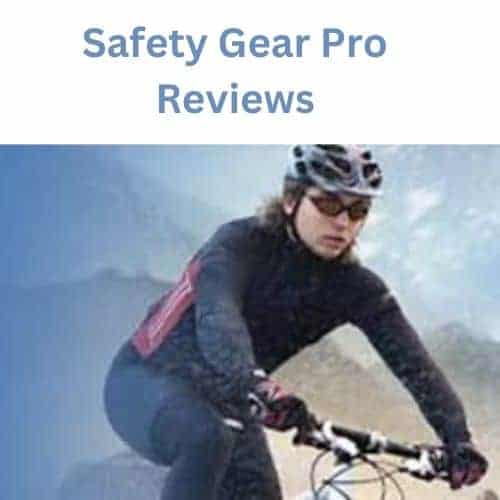
In addition to providing safety gear, Safety Gear Pro may also offer related services, such as product recommendations, customization, fitting, and maintenance. These companies play a crucial role in protecting individuals across various industries and activities by supplying the protective equipment needed to mitigate risks and prevent accidents.
Safety Gear Pro
Helmets: Helmets protect the head from impact injuries. They are commonly used in activities such as cycling, motorcycling, construction work, and sports like football and hockey.
Safety Eyewear: Safety glasses or goggles protect the eyes from dust, debris, chemicals, and other hazards. They are frequently used in construction, laboratories, woodworking, and manufacturing.
Gloves: Protective gloves shield hands from cuts, burns, chemicals, and other hazards. They are used in industries such as healthcare, food processing, and automotive repair.
Hearing Protection: Earplugs and earmuffs reduce exposure to loud noise, helping prevent hearing damage. They are essential in industries like construction, manufacturing, and aviation.
Footwear: Safety shoes or boots are designed with reinforced toes and soles to protect the feet from crushing, punctures, and electrical hazards. They are common in construction, manufacturing, and heavy industries.
The specific type of safety gear needed depends on the work or activity and the associated risks. Assessing hazards helps individuals and employers choose appropriate equipment, fostering control and safety awareness.
The 7 Best Safety Gear Pro Reviews for 2025
The “best” safety gear can vary depending on the specific context, industry, and hazards involved. However, here are seven types of safety gear that are commonly considered essential in various situations:
1. Hard Hat
Hard hats protect the head from falling objects, impact, and electrical hazards. They are crucial in construction, manufacturing, and industrial settings.
A hard hat, also known as a helmet, is a type of personal protective equipment (PPE) designed to protect the head from injury in hazardous work environments. It is typically made of a rigid shell composed of materials such as high-density polyethylene (HDPE) or fiberglass, designed to withstand impact and penetration.
Head Protection: A hard hat’s primary purpose is to protect the wearer’s head from falling objects, impacts, electrical shock, and other workplace hazards. It is an essential safety item in construction, manufacturing, mining, and various other industries.
Types of Hard Hats
Type I: These hard hats protect against impacts from above, such as falling objects.
Type II: These hard hats offer additional protection against impacts from both the top and sides.
Color Coding: Hard hats often come in different colors, and the color can signify the wearer’s role or level of expertise on a job site. For example, supervisors might wear one color, while new employees wear another.
Suspension System: Inside the hard hat, a suspension system absorbs and distributes impact energy, reducing the force transferred to the wearer’s head. It also provides a comfortable fit.
Regulations: Government agencies, such as the Occupational Safety and Health Administration (OSHA) in the United States, often regulate hard hat use. Employers must provide employees with suitable hard hats and ensure compliance with relevant safety regulations.
Safety Awareness: Workers must be aware of potential hazards in their work environment and wear hard hats consistently and correctly to maximize safety.
2. Safety Glasses/Goggles
Eye protection is crucial in preventing eye injuries from flying debris, chemicals, or other hazards. Safety glasses and goggles are used in construction, laboratories, and many other workplaces.
Safety glasses or safety goggles are protective eyewear designed to protect the eyes from various workplace hazards and during certain activities.
They are an essential part of personal protective equipment (PPE). They prevent eye injuries from exposure to chemicals, flying particles, dust, splashes of hazardous liquids, and other potential eye hazards. Here are some key points about safety glasses/goggles:
Impact Hazards: Protection from flying debris, particles, or objects that can strike the eyes.
Chemical Hazards: Protection from splashes, spills, or exposure to corrosive chemicals.
Dust and Particles: Preventing dust, dirt, or other airborne particles from entering the eyes.
Radiation: Shielding against harmful radiation, such as UV rays, infrared, or laser beams.
Lens Tints: Safety glasses and goggles often come in different lens tints to improve visibility in various environments.
Anti-Fog and Anti-Scratch Coatings: Some safety glasses/goggles have coatings that reduce fogging and resist scratches, improving visibility and prolonging the life of the eyewear.
Ventilation: Goggles, in particular, often feature ventilation to prevent fogging and maintain airflow while still providing protection.
Prescription Safety Glasses: Prescription safety glasses are available for individuals who require corrective lenses. They are custom-made to meet both vision correction needs and safety standards.
Standards and Certification: Safety glasses and goggles must meet specific safety standards, which vary by region. For example, in the United States, the American National Standards Institute (ANSI) sets standards for safety eyewear. Look for markings or certifications on the eyewear to ensure compliance.
Proper Fit: Proper fit is crucial for effective eye protection. Ill-fitting glasses or goggles may not provide adequate protection. Some designs feature adjustable temples or straps to ensure a snug fit.
Maintenance: Regular cleaning and inspection of safety glasses/goggles are essential to maintain their effectiveness.
Usage: Wear safety glasses/goggles whenever there is a risk of eye injury. This includes tasks such as woodworking, construction, chemical handling, laboratory work, welding, and many industrial or outdoor activities.
Replacement: Safety glasses and goggles have a limited lifespan. They can scratch, get damaged, or lose effectiveness over time. Replace them as needed to maintain proper protection.
Safety glasses and goggles are crucial for protecting the eyes from various workplace and other hazards. Choosing the right eyewear and ensuring a proper fit are essential to maintaining eye safety.
3. Ear Protection
Hearing protection is essential in noisy environments to prevent hearing loss and damage. Earplugs and earmuffs reduce exposure to loud noises and are used in construction, manufacturing, and shooting sports.
Types of Ear Protection
Earplugs: Small devices inserted into the ear canal to block or reduce the entry of sound waves. They come in various materials, including foam, silicone, and rubber, and in both disposable and reusable forms.
Earmuffs: protective ear coverings that enclose the entire ear. They consist of ear cushions and a headband that holds them securely in place.
Noise Reduction Rating (NRR): Ear protection devices are rated with an NRR, which indicates how effectively they reduce noise. The higher the NRR, the greater the noise reduction.
Noise Hazard: Ear protection is essential in environments where noise levels exceed safe exposure limits. Prolonged exposure to loud noise can cause hearing damage, including noise-induced hearing loss (NIHL). Common high-noise workplaces include construction sites, factories, airports, and manufacturing facilities.
Proper Fit: Ensuring a proper fit is crucial for effective ear protection. Earplugs should be inserted correctly and snugly into the ear canal, while earmuffs should create a tight seal around the ears. An improper fit can significantly reduce their effectiveness.
Comfort: Comfort is essential when selecting ear protection, especially for prolonged use. Uncomfortable or poorly fitting ear protection may discourage consistent use.
Communication: In some situations, you may need to communicate while wearing ear protection.
Specialized Ear Protection: Depending on the specific noise hazard, specialized ear protection may be required. For example, musicians often use high-fidelity earplugs that reduce noise levels while preserving sound quality.
Maintenance: Regular cleaning and maintenance are essential for reusable ear protection to ensure its effectiveness and longevity. Follow manufacturer recommendations for cleaning and storage.
Regulations and Standards: Many countries have regulations and standards that govern the use of ear protection in the workplace. Employers are typically responsible for providing and enforcing ear protection when necessary.
Training: Proper training and education on using ear protection are important. Workers should understand when and how to use earplugs or earmuffs correctly to maximize their protection.
4. Safety Gloves
Protective gloves shield the hands from cuts, burns, chemicals, and other potential hazards. They are used in a wide range of industries, including healthcare, automotive, and construction.
Safety gloves are personal protective equipment (PPE) designed to protect hands from various workplace hazards and during specific activities. They are an essential part of safety gear and help prevent hand injuries, including cuts, burns, chemical exposure, abrasions, and other similar injuries. Here are some key points about safety gloves:
Types of Safety Gloves
Materials: Safety gloves come in a variety of materials, including leather, cotton, latex, nitrile, neoprene, and more. The choice of material depends on the specific hazards present in the workplace or activity.
Proper Fit: Gloves should fit snugly to provide effective protection without hindering dexterity. Loose-fitting gloves can pose a safety risk, as they may catch on machinery or fail to provide adequate protection.
Dexterity and Tactility: Depending on the task, select gloves that provide sufficient dexterity and tactile sensitivity to perform the job effectively. Some tasks require fine motor skills, and overly thick or rigid gloves may not be suitable.
Chemical Compatibility: When selecting chemical-resistant gloves, consider the chemicals you encounter, as different materials provide varying levels of protection against specific chemicals.
Cut Resistance Level: Cut-resistant gloves are often rated by cut-resistance level, typically using ANSI or EN standards. Choose a level that matches the potential risks in the workplace.
Safety Regulations: Employers are typically responsible for providing employees with the appropriate gloves in accordance with safety regulations and standards.
Personal Protective Equipment (PPE): Safety gloves are just one component of a complete PPE ensemble. Depending on the job and the hazards involved, workers may also need other PPE, such as safety glasses, helmets, or respiratory protection.
Safety gloves are a vital component of personal protective equipment that safeguards hands from various workplace hazards. The choice of gloves depends on the specific hazards and tasks involved, and proper fit and maintenance are essential for effective protection.
5. Respirators
Respiratory protection is essential for environments with airborne contaminants, dust, fumes, or infectious agents. Healthcare, construction, and industrial settings use respirators and masks.
Types of Respirators
N95 Respirators: These are filtering facepiece respirators that provide high filtration efficiency against airborne particles, including dust, smoke, and infectious agents.
Surgical Masks: Surgical masks are loose-fitting devices designed to provide a physical barrier against splashes, droplets, and respiratory secretions.
Gas Masks: Gas masks protect against chemical, biological, radiological, and nuclear (CBRN) hazards. Military and emergency response personnel use them.
Powered Air-Purifying Respirators (PAPRs): PAPRs use a motorized blower to filter and deliver purified air to the user. They are often used in healthcare settings to provide a higher level of respiratory protection.
Fit Testing: Proper fit is crucial to a respirator’s effectiveness. In healthcare and certain industrial settings, fit testing ensures the respirator seals tightly to the face, preventing unfiltered air from entering.
Training: Proper training on how to don, doff, and maintain respirators is essential to ensure their effectiveness and prevent contamination. Healthcare workers, in particular, receive training in the correct use of respirators and masks.
Regulations: Respirators and masks are subject to regulatory standards and certifications in many countries, such as NIOSH (National Institute for Occupational Safety and Health) certification in the United States and CE marking in Europe.
Emergency Preparedness: Masks and respirators are crucial for emergencies such as pandemics, chemical spills, or natural disasters.
6. High-Visibility Clothing
High-visibility vests, jackets, or shirts with reflective materials improve visibility in low-light conditions and are commonly used in construction, traffic control, and roadwork.
Purpose: The primary purpose of high-visibility clothing is to make individuals more visible to others, especially in conditions where there is limited visibility, such as low light, fog, rain, or areas with heavy traffic. This increased visibility helps prevent accidents and enhances safety.
Components: High-visibility clothing typically consists of fluorescent, brightly colored fabric (commonly orange, yellow, or lime green) combined with retro-reflective material.
The fluorescent fabric is highly visible during the day, while the retroreflective material reflects light toward its source, making the wearer visible at night when illuminated by headlights or other light sources.
Types of High-Visibility Clothing
Vests: High-visibility vests are one of the most common forms of high-visibility clothing. They are lightweight and typically worn over regular clothing.
Standards and Certification: High-visibility clothing is subject to standards and certifications in various countries to ensure its effectiveness and reliability.
In the United States, ANSI/ISEA 107 defines the performance requirements for high-visibility apparel. In Europe, the EN ISO 20471 standard is similar.
Proper Fit: High-visibility clothing should fit comfortably and not restrict movement. Proper sizing ensures that the retroreflective material remains visible from all angles.
High-visibility clothing is a crucial safety measure in industries and situations where visibility is essential to prevent accidents and protect workers and others. The combination of fluorescent colors and retroreflective materials makes these garments highly effective in low-light and high-traffic environments.
7. Safety Footwear
Safety shoes or boots with reinforced toes and soles protect the feet from crushing, punctures, and electrical hazards. They are essential in construction, manufacturing, and industrial jobs.
It is a crucial component of personal protective equipment (PPE) in industries where foot injuries are a common risk. Here are some key points about safety footwear:
Purpose
The primary purpose of safety footwear is to protect feet from workplace hazards, including heavy objects, falling objects, electrical hazards, chemical spills, sharp objects, extreme temperatures, and similar risks. These shoes or boots provide a physical barrier between the feet and the hazards.
Components
Safety footwear typically uses specific features and materials to provide protection. Some common components include:
Sole Protection
The sole of safety footwear may have puncture-resistant plates to protect against sharp objects that could penetrate the sole.
Slip-Resistant Soles
Many safety shoes and boots have slip-resistant outsoles to prevent slips and falls on wet or oily surfaces.
Metatarsal Guards
Some safety footwear includes metatarsal guards to protect the metatarsal bones on the top of the foot from impact injuries.
Welding Boots
Designed for welding environments, these boots protect against sparks, molten metal, and heat.
Foundry Boots
Specialized boots designed to protect against extreme heat and molten metal splashes.
Regulations and Standards
Safety footwear is subject to regulatory standards and certifications in many countries. For example, in the United States, ASTM F2413 outlines the requirements for protective footwear. In Europe, the EN ISO 20345 standard is similar.
Proper Fit
Proper fit is essential for safety footwear. Ill-fitting footwear can lead to discomfort, blisters, and reduced protection. Workers should select safety footwear that matches their foot size and shape.
Maintenance
Regular cleaning and inspection of safety footwear are crucial to keep it in good condition and ensure it continues to provide effective protection.
The choice of safety footwear depends on the specific risks in the workplace, and workers should select footwear that provides adequate protection and fits properly for maximum safety and comfort.
The effectiveness of safety gear depends on its proper selection, usage, and maintenance. Make sure the safety gear you choose meets relevant safety standards and regulations for your industry or activity. Also, consider consulting safety professionals or experts to determine the most suitable safety gear for your needs.
Buying Guidelines
When purchasing safety gear from Safety Gear Pro or any other supplier, consider several factors to ensure you select the right equipment for your needs. Here is a buying guide on how to purchase safety gear effectively:
Understand Safety Standards
Familiarize yourself with the relevant safety standards and regulations that apply to your industry or activity. Different standards may apply to various types of safety gear.
Choose the Right Type of Safety Gear
Based on your identified needs and standards, select the appropriate type of safety gear. This could include helmets, safety glasses, gloves, ear protection, respiratory protection, and high-visibility clothing.
Consider Comfort and Fit
Ensure that the safety gear you choose fits comfortably and securely. Ill-fitting gear can be uncomfortable and may not provide adequate protection. Use size charts and product specifications to choose the right size.
Check for Certification
Look for safety gear that meets industry-specific certifications and standards. For example, ANSI (American National Standards Institute) certification for safety glasses or NIOSH (National Institute for Occupational Safety and Health) approval for respirators.
Evaluate Durability and Quality
Assess the quality and durability of the safety gear. Consider the materials used, construction, and overall build quality. Well-constructed safety gear is likely to last longer and provide better protection.
Consider Ease of Maintenance
Determine how easy the safety gear is to clean and maintain. Some equipment may require regular cleaning or replacement parts.
Compare Brands and Models
Research and compare different brands and models of safety gear to find what best suits your needs and budget. Look for user reviews and testimonials to gather information about the performance of specific products.
Budget
Set a budget for your safety gear purchases and stick to it. Remember that investing in high-quality safety gear is an investment in your safety and the well-being of your employees.
Warranty and Return Policy
Check the warranty and return policy of the supplier or manufacturer. This can provide peace of mind in case the safety gear doesn’t meet your expectations or needs.
Training and Education
Ensure that users are trained in the correct use, care, and maintenance of the safety gear. Proper training is crucial to ensure the equipment functions as intended and provides maximum protection.
Bulk Purchases and Corporate Accounts
If you are purchasing safety gear for a business or organization, consider setting up a corporate account with the supplier to streamline purchases and potentially take advantage of bulk discounts.
Customer Support
Assess the customer support and service the supplier offers. Ensure they respond to inquiries and address issues promptly.
Delivery Time and Shipping Costs
Consider the delivery time and shipping costs associated with your order. Factor in lead times to ensure that you receive the safety gear when you need it.
Specifications
Safety Gear Pro specializes in providing a wide range of personal protective equipment (PPE) and safety gear for various industries and applications.
Although I don’t have access to specific, up-to-date product listings or specifications for Safety Gear Pro, I can provide a general overview of the types of safety gear and PPE they typically offer.
Here are some common types of safety gear and PPE that you might find at Safety Gear Pro:
Safety Eyewear: Safety glasses and goggles protect the eyes from hazards such as impacts, dust, chemicals, and UV radiation.
Hearing Protection: Earplugs and earmuffs protect the ears from loud noise and potential hearing damage in industrial settings.
Head Protection: Hard hats and helmets protect the head from falling objects, impacts, and electrical hazards.
Respiratory Protection: Respirators and dust masks protect the respiratory system from airborne contaminants such as dust, fumes, and chemicals.
Hand Protection: Gloves are made from various materials, including leather, nitrile, and latex, to protect the hands from cuts, chemicals, heat, and cold.
Foot Protection: Safety shoes, boots, and footwear designed to protect the feet from impacts, punctures, slips, and electrical hazards.
High-Visibility Clothing: Reflective vests and clothing designed to enhance visibility and safety for workers in low-light or high-traffic environments.
Fall Protection: Harnesses, lanyards, and other equipment designed to prevent falls and protect workers at height.
Chemical and Biological Protection: Suits, masks, and gloves designed for protection against chemical and biological hazards, including hazardous materials and infectious diseases.
Fire Protection: Flame-resistant clothing and gear designed to protect against fire and high-heat environments.
Frequently Asked Questions (FAQs)
Safety Gear Pro specializes in a wide range of safety equipment and gear, including personal protective equipment (PPE) for various industries and applications.
Q. What is Safety Gear Pro?
A: Safety Gear Pro is an online retailer that offers a wide selection of safety equipment and gear, including eyewear, head protection, hearing protection, respiratory protection, and more. They cater to various industries, including construction, manufacturing, healthcare, and outdoor activities.
Q. What types of safety gear can I find at Safety Gear Pro?
A: Safety Gear Pro offers a comprehensive range of safety equipment, including safety glasses, goggles, hard hats, earplugs, respirators, gloves, and high-visibility clothing. They also provide customized prescription safety glasses.
Q. Do they offer prescription safety glasses?
A: Yes, Safety Gear Pro provides prescription safety glasses. Customers can order customized prescription eyewear for various safety applications.
Q. Can I purchase safety gear in bulk for my organization or company?
A: Yes, Safety Gear Pro offers bulk purchasing options for businesses and organizations. They can accommodate large orders and provide volume discounts.
Q. Is the safety gear compliant with industry standards and regulations?
A: Safety Gear Pro strives to provide safety gear that meets or exceeds industry standards and regulations. They often provide information about compliance and certifications for their products.
Q. How can I determine my size when ordering safety gear, such as gloves or helmets?
A: Safety Gear Pro typically provides sizing guides for its products on its website. Follow their recommendations to ensure a proper fit.
Q. What is the return policy for Safety Gear Pro?
A: Safety Gear Pro has a return policy that may vary depending on the product and the reason for the return. Review their specific return policy on their website or contact customer service for detailed information.
Q. How can I contact Safety Gear Pro customer support?
A: You can usually find contact information, including phone numbers and email addresses, on the Safety Gear Pro website. They also may offer live chat support for customer inquiries.
Q. What payment methods do they accept?
A: Safety Gear Pro typically accepts various payment methods, including credit cards, PayPal, and other online payment options. Check their website for the most up-to-date payment information.
Q. Do they offer international shipping?
A: Safety Gear Pro may offer international shipping to certain countries. Shipping options and costs may vary, so check their website for specific information on international orders.
Final Thoughts
Safety gear is a crucial component of personal protective equipment (PPE) designed to protect individuals from various workplace hazards and potentially harmful environments. Whether used in industrial, construction, healthcare, or outdoor settings, safety gear plays a vital role in ensuring individuals’ safety and well-being.
Safety gear is fundamental to workplace safety and personal protection. When selecting and using safety gear, individuals and organizations should prioritize adherence to safety standards, proper fit, maintenance, and user education to maximize its protective benefits.
#SafetyGearPro #StaySafeOutThere #GearUp #SafetyFirst #ProtectYourself #SafetyStyle #GearGoals #SafetySquad #WorkSafePlaySafe #SafetyIsKey #GearUpAndGo #BeSafeBeSmart #ProtectWhatMatters #SafetyVibes #WorkHardStaySafe #GearForEveryAdventure #SafetyIsCool #SafetyEssentials #SafetyOnPoint #GearJunkie #AdventureAwaits #StayProtected #SafetyInStyle #GearCheck #SafetyMatters #PlayItSafe #SafetyAlways #GetYourGearOn #SafetySavvy #GearItUp