Smart cycling helmets represent a major advancement in urban and recreational biking safety and convenience. Unlike traditional helmets, smart versions integrate cutting-edge technologies that not only protect the rider’s head but also enhance situational awareness, communication, and performance monitoring. These helmets harness sensors, connectivity, and lighting innovation to create a comprehensive safety and convenience ecosystem on the go.
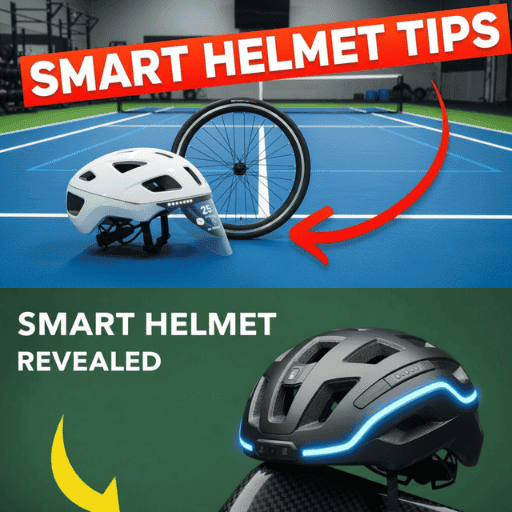
The importance of smart helmets lies in their ability to reduce accidents and increase rider confidence. Technologies such as impact detection, crash alert notifications, and integrated lighting vastly improve a cyclist’s visibility and emergency responsiveness.
Moreover, smart cyclists can benefit from hands-free communication systems and real-time navigation support—features that allow riders to stay connected and focused simultaneously.
Market leaders equip smart helmets with sensors that track speed, distance, cadence, and other fitness metrics. Coupled with mobile app compatibility, they enable personalized data analysis and health monitoring. This intersection of safety, technology, and fitness tracking marks a transformational shift in cycling gear, appealing to commuters, enthusiasts, and professional athletes alike.
For more detailed insights and user tips, sites like Cycling Weekly, BikeRadar, and Outdoor Gear Lab offer comprehensive reviews and up-to-date product recommendations.
Smart Cycling Helmet
Smart cycling helmets are advanced protective gear that enhance safety and convenience for cyclists through integrated technology. Beyond the traditional role of protecting the head, smart helmets incorporate sensors for impact detection and crash alerts that automatically notify emergency contacts with location data in the event of an accident. This real-time safety enhancement significantly improves emergency response times and rider safety, especially for riders traveling alone or in isolated areas.
Another key feature is integrated communication systems, including Bluetooth connectivity that supports hands-free calls, audio navigation, and intercom communication between riders. These systems often come with noise-canceling microphones and easy-to-use controls, allowing cyclists to stay connected and informed while keeping their hands firmly on the handlebars. Many smart helmets also include built-in LED lighting and turn signals to boost visibility at night or in low-light conditions, which is vital for preventing collisions with vehicles and pedestrians.
Performance tracking is another innovative feature, with sensors that measure speed, distance, cadence, and other cycling metrics. Data can be synchronized with mobile apps that offer personalized insights, training analytics, and customizable safety settings. This integration helps cyclists optimize their riding experience and maintain better awareness of health and safety.
Battery life in these helmets typically ranges from 8 to 15 hours and charges via standard USB ports, supporting full-day use without frequent recharging. Designs balance comfort and ergonomics, incorporating ventilation, lightweight materials, and adjustable fittings for everyday wearability and extended rides.
In summary, smart cycling helmets combine protective engineering with smart technology, offering cyclists enhanced safety, communication, visibility, and performance insights—all critical for modern urban and recreational cycling. For detailed model comparisons and deeper insights, top brands to explore include Lumos, Livall, and Sena, with offerings tailored across various price points and feature sets.
Safety Enhancements: Impact Detection and Crash Alerts
Smart cycling helmets substantially improve rider safety through integrated impact-detection systems and automatic crash-alert functionality. These technologies rely on accelerometers, gyroscopes, and other sensors to detect abnormal force patterns indicative of collisions.
Detection Mechanism: When the helmet is subjected to a significant impact, embedded sensors measure the magnitude and nature of the forces. Algorithms analyze these readings to determine whether a crash has occurred, distinguishing falls from normal motion.
Alert Transmission: Once a crash is detected, modern helmets initiate alert protocols such as sending an SOS message to preset emergency contacts via connected smartphones. This communication can include GPS location for immediate assistance, reducing response times.
These features provide vital protection for lone cyclists who risk delayed emergency response or incapacitation. They also encourage confidence, allowing the rider to focus on the road without neglecting personal safety.
Incorporating impact detection aligns smart helmets with evolving safety standards, representing an innovative leap beyond passive protection. Brands integrate these systems seeking endorsements from safety agencies and to meet emerging regulatory requirements for connected safety devices.
For a deeper dive into impact-detection technologies and certified helmet models, readers can consult Consumer Reports, TechCrunch, and relevant academic studies available via Google Scholar.
Integrated Communication Systems for Hands-Free Calls and Audio Navigation
The revolution of smart cycling helmets is best exemplified by their integrated communication systems. They allow riders to make phone calls, listen to music, or access turn-by-turn navigation without taking their hands off the wheel or removing their helmets, greatly enhancing safety and convenience.
| Feature | Description | Advantages | User Experience Example |
|---|---|---|---|
| Bluetooth Connectivity | Enables pairing with smartphones and other Bluetooth devices | Wireless communication, easy pairing | Riders receive calls seamlessly on the move |
| Multi-Microphone Noise Control | Reduces wind and road noise during calls | Clear conversations in noisy environments | Ensures communication stays intelligible |
| Voice Command Integration | Allows voice-activated commands without manual input | Hands-free control of phone/calls | Riders access navigation or media safely |
| Integrated Speakers | Switch between phone, MP3, and GPS smoothly | Compact, balanced sound output | Enjoy music or navigation alerts without earbuds |
| Multi-Device Pairing | Supports multiple connections | Simple to use, even with gloves on | Maintains connectivity across devices |
| Communication Range | Typically 10-15 meters for Bluetooth | Reliable call and audio range | Allows safe group rides with shared comms |
| Intercom Functionality | Some helmets offer rider-to-rider intercom communication | Improves group ride coordination | Facilitates talking with fellow cyclists |
| Battery Life | Varies between models, generally 8-15 hours | Long usage without frequent charging | Full-day commutes or multi-hour trips |
| Water and Weather Resistance | IP ratings protect against rain and sweat | Usage in diverse weather conditions | No disruption during unexpected showers |
| Easy Controls | Physical buttons or touch sliders for volume and calls | Intuitive operation without distraction | Simple to use, even with gloves on |
These systems have transformed how cyclists stay connected and informed while keeping both hands on the handlebars and eyes on the road. Popular smart helmet manufacturers such as Sena, Livall, and Coros integrate varying degrees of communication technology based on user focus—whether commuting, touring, or competitive cycling.
Would you like to compare specific communication modules or receive recommendations for best-in-class systems?
Smart Lighting Solutions for Improved Visibility and Safety at Night
Visibility is critical for cyclist safety, especially during dawn, dusk, or nighttime riding. Smart cycling helmets address this by incorporating lighting systems strategically placed to maximize visibility.
LED lights embedded within the helmet or detachable lighting units controlled via smartphone apps provide dynamic light patterns—steady, flashing, or adaptive based on braking or turning signals. This active lighting increases cyclists’ visibility to motorists and pedestrians.
Some helmets include rear red lights and front-facing white lights to serve dual purposes of signaling and illuminating the path, reducing the need for additional bike-mounted lights. The lights often have brightness sensors enabling automatic adjustment based on ambient light.
Enhanced visibility reduces collisions and near misses, making smart lighting a valuable feature. Moreover, such lights comply with local safety regulations in many jurisdictions, enhancing ride legality.
Many modern lighting modules are rechargeable via USB, offer long battery life, and are water-resistant to withstand weather conditions.
If you’d like, I can help you choose helmets with optimal lighting or compatible add-ons.
Built-in Sensors for Tracking Speed, Distance, and Performance Metrics
Smart helmets commonly integrate sensors such as accelerometers, gyroscopes, GPS, and magnetometers to monitor cycling performance. Data gathered includes speed, distance traveled, cadence, and route mapping.
These real-time metrics help cyclists optimize training by analyzing pace and exertion, tracking progress over time, and planning routes that account for elevation and traffic. This capability is particularly valuable for competitive riders and fitness enthusiasts.
The sensors also enhance safety by detecting unusual motion patterns that indicate falls or crashes and triggering alerts.
When paired with companion mobile apps, cyclists receive comprehensive dashboards, personalized coaching tips, and shareable ride statistics through intuitive interfaces.
Smart sensor integration exemplifies the trend toward connected, data-driven cycling experiences that blend safety and wellness.
Compatibility with Mobile Apps for Personalized User Experience and Data Analysis
A hallmark of smart cycling helmets is their integration with mobile apps for Android and iOS. This compatibility elevates the helmet from a standalone device to an interactive fitness and safety companion.
The connected apps provide:
1. Real-time data visualization for speed, distance, and cadence
2. Customizable alert settings for impacts, route deviations, or low battery
3. Firmware updates ensuring optimal device functionality
4. Social sharing to connect with cycling groups and challenges
5. Navigation integration with turn-by-turn guidance and hazard alerts
By tailoring settings through apps, riders can adjust sensor sensitivity, select preferred lighting modes, and manage communications efficiently.
Such ecosystem connectivity encourages long-term engagement, supporting skill development and safer cycling habits.
Battery Life and Charging Options for Continuous Use
Smart cycling helmets come with rechargeable batteries that power sensors, lighting, and communication modules. Battery life varies with usage but typically ranges from 8 to 15 hours, which is sufficient for most ride durations.
Charging is often facilitated via USB ports compatible with common chargers and power banks. Some helmets support fast charging, ensuring readiness even during limited downtime.
Battery conservation modes automatically adjust non-essential systems, such as lighting and audio, to extend runtime.
Users are advised to charge helmets after each ride and to monitor battery status via mobile apps or on-device indicators.
Consistent battery maintenance is essential to avoid loss of function during critical moments.
Would you like model-specific battery performance comparisons or charging accessory recommendations?
Design and Comfort Considerations for Everyday Cyclists
Smart cycling helmets prioritize lightweight construction using composite materials such as polycarbonate shells and EPS foam liners to ensure protection without excessive bulk.
Ventilation is optimized through strategically placed air channels to regulate temperature and moisture, enhancing all-day comfort in varying weather conditions.
Padding is adjustable and removable, designed with moisture-wicking, antibacterial fabrics to reduce odor and skin irritation.
Ergonomic shapes reduce aerodynamic drag and neck strain. These features make smart helmets appealing to commuters, fitness riders, and recreational cyclists who demand both safety and comfort in daily use.
(FAQs)
Q1: Are smart cycling helmets heavier than traditional helmets?
No, most manufacturers focus on lightweight materials to minimize wearer fatigue, and smart helmets typically weigh comparably to standard helmets despite the added technology.
Q2: Do smart helmets require a smartphone to function?
Basic safety features often operate independently; however, full benefits such as crash alerts and data analysis require smartphone connectivity.
Q3: Are the lights on smart helmets bright enough for night riding?
Yes, integrated LEDs meet or exceed visibility standards, enhancing rider safety in low-light conditions.
Q4: Can I replace parts like batteries or pads on smart helmets?
Many models offer replaceable parts to extend helmet life; check specific product manuals for details.
Q5: How reliable are crash detection systems?
While highly advanced, no system is perfect. Riders should still practice safe cycling and not rely solely on technology.
Conclusion
Smart cycling helmets mark a new era in rider protection by seamlessly combining traditional safety with modern technology. Through innovations such as impact detection, hands-free communication, integrated lighting, and performance tracking, these helmets meet the dynamic needs of today’s cyclists—from daily commuters to competitive athletes.
The integration with mobile apps and extended battery life further elevates these helmets beyond mere gear to interactive personal cycling assistants. Comfort-driven designs ensure these tech-powered helmets remain practical for long rides and in varying weather conditions.
Navigating the options can empower riders to select helmets that reflect personal style, safety priorities, and technological appetite. As smart helmet technology continues evolving, embracing these innovations contributes to safer, smarter, and more connected cycling experiences everywhere.
For cyclists invested in safety and digital connectivity, smart helmets represent a worthwhile, future-forward investment.
#SmartCyclingHelmet #BikeSafety #ConnectedCycling #ImpactDetection #HandsFreeCommunication #CyclingTech #RideSmart #CyclingSafety #BikeCommuting #UrbanCycling