Goalie helmets are essential protective gear for goaltenders in sports such as ice hockey and lacrosse. Due to their unique role, goalies face fast-moving balls or pucks and physical impacts from other players and the environment, making specialized helmets crucial for safety. Unlike standard helmets, goalie helmets incorporate additional features such as full-face cages, enhanced padding, and sturdy shells to absorb high-velocity impacts.
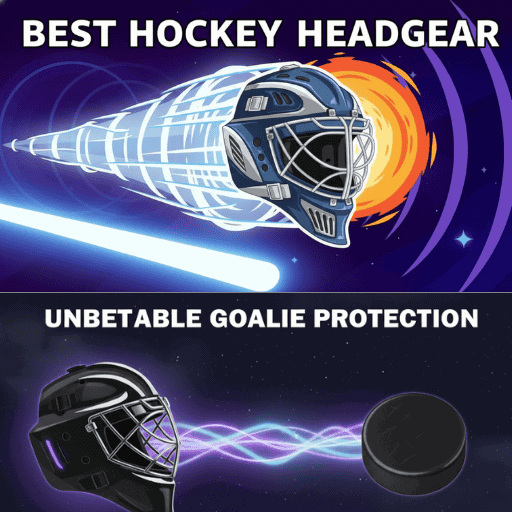
Protecting the head, face, and jaw, these helmets play a pivotal role in preventing serious injuries like concussions, facial fractures, and dental damage. Furthermore, the design balances protection with visibility and breathability, enabling goalies to maintain peak performance without compromising safety.
Choosing the right goalie helmet is a critical decision that influences both on-field confidence and overall health. Advances in material science and engineering continue to improve helmet safety standards and player comfort.
Understanding the different designs, features, and certifications can help players, parents, and coaches select the best gear for all skill levels, ensuring goaltenders remain secure while performing at their best.
The Best Goalie Helmets for 2026
Selecting the best goalie helmet requires evaluating multiple factors, including safety, fit, visibility, and ventilation. Among the top choices in the market are helmets from reputable brands that consistently innovate to meet the dynamic needs of goalie protection.
Popular models feature lightweight carbon fiber or fiberglass constructions that provide high impact resistance without excessive weight. Many also include advanced comfort liners and adjustable straps to ensure a snug fit and stability during rapid movements. Integration with full cages ensures comprehensive facial protection without obstructing vision.
Recent reviews from consumer reports and sports safety organizations highlight models like the Bauer NME, CCM Vector, and Itech Pursuit for their excellent combination of safety, durability, and player feedback. These helmets undergo rigorous testing and feature moisture-wicking liners and reinforced chin cups.
For detailed helmet comparisons and customer experiences, see hockeyhelmetreviews.com, the official Bauer and CCM sites, and dedicated sports equipment review platforms. These sources provide valuable insights into user satisfaction and product longevity.
Key Features to Look for in a Goalie Helmet
When choosing a goalie helmet, it’s essential to consider several key features that influence protection, comfort, and performance. First, the shell material often combines carbon fiber, fiberglass, or Kevlar to balance lightness and impact resistance. A high-quality shell reduces the risk of injury and enhances overall helmet durability.
Second, the padding system inside the helmet is critical; it should absorb shock and provide comfort. Many helmets use multi-density foam or gel inserts that absorb impacts and reduce concussion risk.
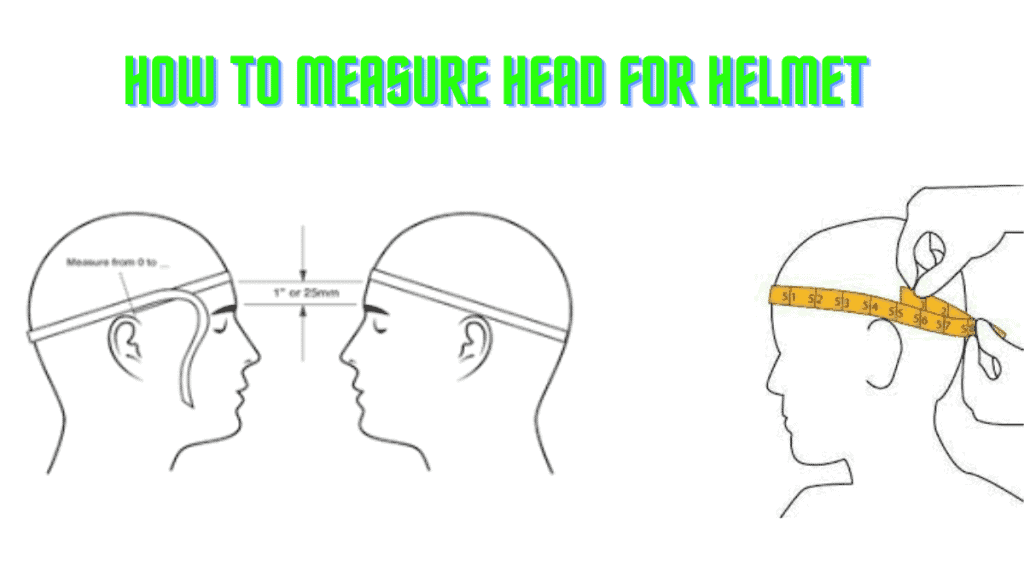
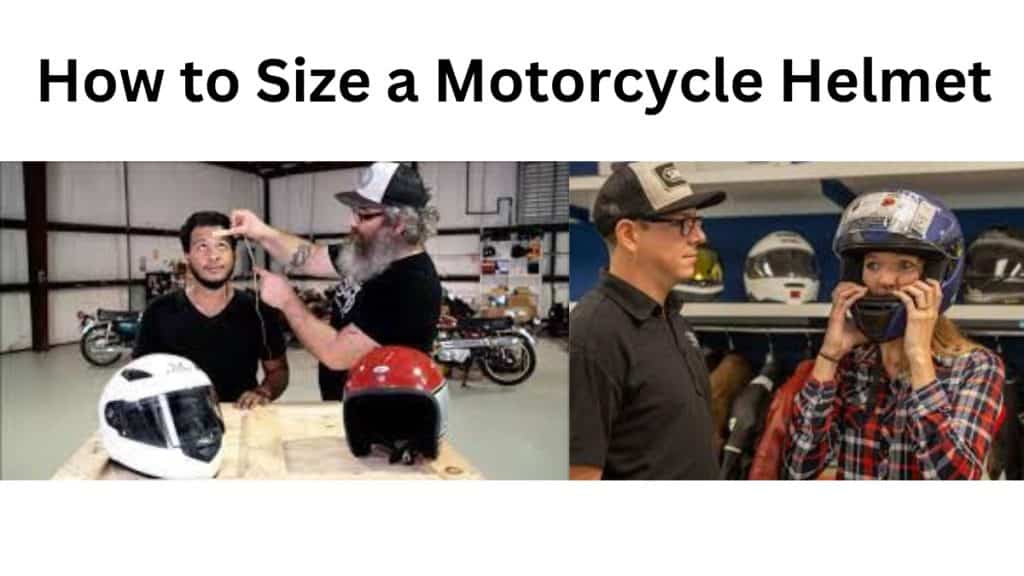
Third, fit and adjustability cannot be overlooked. Features such as adjustable chin straps, size adapters, and ergonomic liners help keep the helmet secure during gameplay, reducing distractions and improving confidence.
Fourth, cage design matters for face protection without impairing visibility. Helmets often come with steel or titanium cages optimized for strength and clear sightlines.
Fifth, consider ventilation systems that regulate temperature and moisture inside the helmet, enhancing wearer comfort during intense activity.
Other considerations include certification adherence, brand reputation, weight, and compatibility with other goalie gear.
Top Brands in Goalie Helmets: Overview
| Brand | Notable Models | Technology Highlights | Price Range | Certification Standards | Market Reputation |
|---|---|---|---|---|---|
| Bauer | NME, NME VTX | Carbon fiber shells, moisture-wicking liners, anti-fog cages | $250-$500 | HECC, CSA, CE | Trusted, popular among pros |
| CCM | Vector, Tacks | Lightweight composites, advanced venting, comfort fit systems | $200-$450 | HECC, CSA | Longstanding industry leader |
| Itech | Pursuit, Rebel | Dual-density foam padding, titanium cages, ergonomic designs | $150-$400 | HECC, CSA | Known for affordability and safety |
| Vaughn | Ventus, Velocity | Impact-resistant shells, enhanced ventilation, customizable fit | $180-$480 | HECC | Widely used in North America |
| Warrior | Ritual, Ritual GT | Fiberglass and carbon blends, advanced liners, lightweight | $220-$460 | HECC, CSA | Popular for innovation and quality |
Each of these brands has crafted its goalie helmets to meet the evolving demands of goaltenders, balancing innovation, safety, and comfort. The HECC and CSA certifications confirm compliance with stringent safety standards, ensuring helmets provide reliable protection.
These brands continuously update their models based on player feedback and new safety research, maintaining relevance in both competitive and recreational environments.
Detailed Review of Model 1: Features and Benefits
The Bauer NME model stands out for its exceptional balance of safety, comfort, and modern aesthetics. Constructed with a carbon fiber shell, it offers superior impact resistance while remaining lightweight for reduced neck strain.
The helmet features a moisture-wicking liner and antibacterial foam that keeps users dry and comfortable during extended play. Its adjustable retention system allows for a highly customizable fit, making it a favorite among players who demand precision and stability.
The included full cage features anti-fog coating and scratch resistance for optimal clarity. Strategically placed ventilation ports throughout the helmet ensure steady airflow, supporting thermal regulation.
Overall, the Bauer NME combines cutting-edge technology with player usability, making it one of the best-rated goalie helmets on the market today.
Detailed Review of Model 2: Features and Benefits
CCM’s Vector goalie helmet features a lightweight design and meets compliant safety standards, ideal for both amateur and professional players. The composite fiberglass shell absorbs impact forces efficiently, and the proprietary liner material provides superior comfort and moisture control.
A standout feature is CCM’s optimized cage design, which maximizes peripheral vision while offering robust facial protection. CCM Vector helmets incorporate adjustable sizing mechanisms to enhance fit for various head shapes.
Many users appreciate the helmet’s quiet profile, thanks to its aerodynamic shape, which also helps reduce wind noise at high speeds.
The Vector model’s user-friendly features and technical advances make it a solid choice for goalies seeking dependable protection without sacrificing comfort.
Detailed Review of Model 3: Features and Benefits
Itech’s Pursuit goalie helmet is designed to provide reliable protection, with particular attention to padding and shock absorption. Featuring a reinforced fiberglass shell, it protects against high-impact pucks and collisions.
The interior employs dual-density foam that cushions and disperses impact energy effectively. The chin cup is ergonomically designed for a stable yet comfortable fit.
Ventilation is provided by multiple air channels that keep the wearer cool and dry throughout matches.
Priced competitively, the Itech Pursuit offers excellent value without compromising industry-leading safety standards.
Safety Standards and Certifications for Goalie Helmets
Goalie helmets must satisfy multiple certifications to guarantee performance and protection standards. Common certifications include:
HECC (Hockey Equipment Certification Council): This North American organization ensures that helmets meet minimum impact and penetration-resistance standards.
CSA (Canadian Standards Association): Popular in Canada, CSA certifies helmets for impact absorption and retention system integrity.
CE (Conformité Européenne): European standard focused on safety, involving comprehensive testing procedures.
Each certification involves rigorous laboratory testing, including impact simulations, penetration trials, and stability assessments. Buyers should verify that any goalie helmet carries at least one of these certifications to ensure trustworthy protection.
Manufacturers update their helmets and testing protocols in alignment with evolving safety research, reducing concussion risks and improving overall head injury prevention.
Maintenance Tips for Prolonging Helmet Lifespan
Regular Cleaning: Wipe down the shell and cage after every game or practice with mild soap and water to remove sweat, dirt, and debris.
Inspect Padding: Check liners for compression or wear; replace removable liners as needed to maintain proper cushioning.
Check Straps and Latches: Ensure chin straps, clips, and adjustment mechanisms function properly for consistent security.
Storage Practices: Store helmets in cool, dry locations, away from direct sunlight and extreme temperatures, to prevent material degradation.
Avoid Dropping: Handle helmets carefully to prevent unseen damage to internal structures.
(FAQs)
Q1: How often should I replace my goalie helmet?
A1: Generally, every 3-5 years, or immediately after a significant impact.
Q2: Can I use a regular hockey helmet as a goalie helmet?
A2: No, goalie helmets offer specialized protection designed for pucks and collisions unique to the goalie position.
Q3: Are adjustable goalie helmets better?
A3: Adjustable helmets provide a better fit and greater comfort, enhancing safety.
Q4: What cage material is best?
A4: Titanium cages are lightweight and durable, but more expensive; stainless steel cages are also reliable.
Q5: Is ventilation important in a goalie helmet?
A5: Yes, good ventilation controls temperature and moisture, helping performance and comfort.
Conclusion
Goalie helmets are indispensable for any player guarding the net, combining advanced safety features with comfort and style to meet the sport’s rigorous demands. Selecting the best goalie helmet involves attention to material quality, protection technologies, fit, ventilation, and certified safety standards.
Leading brands, including Bauer, CCM, and Itech, offer models designed to meet professional benchmarks while accommodating diverse preferences. Regular maintenance and correct fitting further enhance helmet efficacy, safeguarding players during high-speed impacts.
By investing in a top-rated goalie helmet and following care guidelines, goaltenders can confidently focus on the game, knowing their head and facial safety are uncompromised.
Aspiring and seasoned players alike benefit from choosing helmets engineered for their specific role, ensuring lasting performance and protection.
#GoalieHelmets #HockeySafety #BestGoalieGear #HelmetReview #SportsSafety #IceHockeyGear #GoalieProtection #HelmetMaintenance #CertifiedSafetyGear #GoaliePerformance